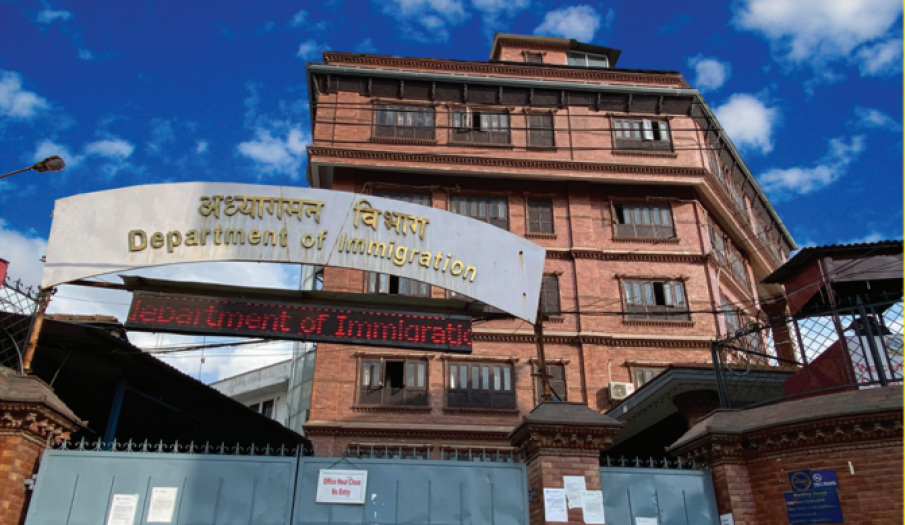
Nepal has made a significant shift in its adventure tourism policies. The Department of Immigration (DOI) has removed a long-standing restriction that required foreign trekkers to travel in pairs as of March 23, 2026.
Since ancient times, Nepal has been a trekkers’ paradise. Its scenery is theatrical, isolated, and diversified. Certain paths are like entering a new century. Over the years, some areas have incurred a lot of restrictions on tourists. The greatest restrictions under these strict rules were on solo trekkers.
That narrative is shifting now, meaning something.
The new policy now allows international visitors to visit previously limited trekking areas fully independently, an important change in the way solo trekking is handled and experienced in the country.
This shift will redefine trekking tourism in Nepal. It enhances flexibility, accessibility, and the general travel experience of visitors. The search volume for solo trekking in Nepal is already soaring. This update is a direct response to the rapidly increasing global travel trend.
But what has really changed according to these new trekking rules? What is the reasoning behind this decision by Nepal tourism authorities? And what will this do to your 2026 trekking plans?
Let us simplify it for you.
What Are Restricted Areas in Nepal?
The restricted zones refer to the special trekking areas which demand extra permits. They are not typical national park trekking areas.
These regions tend to be close to sensitive international boundaries. A lot are situated near Tibet, necessitating stricter monitoring and control. They are also natural delicacies and heritage areas.
Popular restricted trekking areas in Nepal include:
-
Upper Mustang
-
Manaslu region
-
Dolpo
These areas are much more than mere trekking paths. They are living cultural landscapes that have rich historical foundations. There are ancient monasteries, Tibetan traditions, and remote villages.
Solo Trekking Now Permitted in Nepal’s Restricted Regions
With the aid of the updated 2026 regulations, individual travelers are now given access to 15 of the previously restricted trekking zones in 13 different districts, most of which border China.
A number of the most classic, remote and previously restricted tracks in Nepal are now opened up to solo travelers:
-
Upper Mustang Trek
-
Upper & Lower Dolpa Trek
-
Manaslu Circuit & Tsum Valley Trek
-
Nar Phu Valley Trek
These destinations promise fewer foot-trailers, extensive cultural experiences, and high-altitude ventures that are not for inexperienced hikers.
Why were restrictions introduced?
There were several reasons why the government developed restrictions:
-
Conserve local cultures against too much foreign intervention.
-
Protect vulnerable Himalayan ecosystems.
-
Keep borders secure and control national borders.
In these areas, tourism was not outright prohibited. It was just strictly managed to ensure long-term sustainability.
Old Rule vs New Rule: What Has Changed?
|
Feature |
Old Rule |
New Rule (2026) |
|
Solo Trekking |
Not allowed |
Allowed (with guide) |
|
Minimum Group Size |
2 trekkers required |
No minimum requirement |
|
Guide Requirement |
Mandatory |
Mandatory |
|
Booking Method |
Through agency |
Through agency |
|
Flexibility |
Low |
High |
Old Rule (Before the 2026 Update)
In Nepal, the rules of trekking were strict in restricted regions in the past. Trekkers required a minimum of two individuals. Under the former rules, solo trekking was entirely banned.
Every reservation was to be made through a registered trekking agency. It was also obligatory to hire a licensed guide on any trek.
This hindered the process of planning among the independent or solo travelers. Numerous tourists were forced to postpone or cancel their trekking plans.
New Rule (After the 2026 Update)
The Nepal Department of Immigration has officially permitted Solo trekkers in restricted regions.
But there are still two significant conditions:
-
A reservation via a registered agency is still necessary.
-
It is still obligatory to employ a licensed guide.
Why This Change Matters
The change reflects a shift in global travel behavior patterns.
Why permit solo trekkers now: Solo travel demand has risen sharply over the past few years. Tourists seek flexible, independent, and personalized trekking.
How does Nepal keep trekkers safe in restricted areas?
The guide requirement keeps trekkers under supervision and assistance. Agency booking aids in tracking travelers in isolated and risky locations. This provides a balance between liberty and security.
Why Nepal Opened Solo Trekking in Restricted Areas?
Why did Nepal Open Restricted Areas to Solo Trekkers in 2026? This policy change was based on the recommendations of tourism stakeholders. This encompasses agencies such as the Nepal Tourism Board as well.
Rising demand for solo trekking
An increasing number of travelers are increasingly favoring independent and flexible trekking. Nepal had to adapt to remain competitive in the world.
Declining visitors in restricted regions
Tight regulations deterred several visitors to the regions. The number of trekkers decreased, which led to less economic activity in the remote areas.
Economic impact on local communities
Trekking tourism is a strong source of income for remote villages. The decline in the number of visitors had a direct impact on local livelihoods and employment.
Outdated permit pricing system
The earlier pricing structure was not flexible for shorter treks. Tourists were overpaying to experience fewer trekking days.
Restricted Area Permits (RAP) cost changed | 2026 update
|
Trekking Area |
Old System |
New System (2026) |
|
Manaslu Circuit (Sept to Nov) |
Fixed USD 500 for 10 days |
USD 100 per week, then USD 15 per day |
|
Upper Mustang & Upper Dolpo |
USD 500 for 10 days (same flat rate) |
About USD 50 per day (USD 960 to 1230 full trek) |
|
Tsum Valley & Other Restricted Areas |
Flat rate, often high |
Varies by area, generally higher in small villages |
Why is this change important?
-
Costs now match the actual duration of trekking plans.
-
Travelers can now make shorter trips at considerably lower costs.
-
Restricted areas are now made accessible to budget travelers.
Example:
-
3 days = $150
-
5 days = $250
-
10 days = $500
It allows trekking in Nepal to be more flexible and fair.
New Group Size Limit for Restricted Treks| Maximum 7 Trekkers
Nepal Opens Restricted Areas to Solo Trekkers in 2026. This new rule limits trekking groups to a maximum of seven people.
Why does this rule exist?
When it comes to isolated areas, large groups are hard to manage. They also pose risks to the environment and safety.
How does this improve trekking?
Smaller groups enable guides to keep a closer track of safety. They also minimize stress to delicate mountain ecosystems. Trekking is made quieter and more immersive in general.
Mandatory Guide Rule
Nepal’s new rule of 2026 has opened restricted areas to solo hikers, sure. But, regardless of the regulations, guides are still mandatory to this day, despite solo trekking being permitted.
Why is a licensed guide still required for solo trekkers?
-
Remote locations have scarce rescue bases.
-
Isolated mountain terrain can be problematic in navigation.
-
These areas are also prone to the serious risk of altitude sickness.
How do guides help trekkers?
-
The guides offer security, direction, and cultural knowledge.
-
They also help in emergencies and medical cases.
Online Permit System | A Major Upgrade
The Department of Immigration has implemented a complete online permit process in support of the new policy, although a trekking agency is still required.
What is new: Trekkers can obtain permits in advance of their arrival in Nepal. During the application, a valid Nepal visa number is necessary. As mentioned before, booking via a travel agency is still a necessity even now.
-
To travelers already in Nepal: Send your visa number to your agency, and they will apply with your Nepal visa number.
-
To the applicants outside the country: Use the Application Submission ID to process early via your trekking agency.
-
Advantages: Faster approvals, reduced paperwork, and a more convenient system in general.
(Note: the agency will still make the permits and process them, but if you want to start early and book online, then you can send your visa number in advance so that we can make permits online and you can start the trek as soon as possible.)
Why does this matter?
-
This has made the process speedier and more convenient for travelers.
-
It saves time and paperwork when planning trips.
Additional Important Update
-
There are currently restricted areas in 13 Nepalese districts.
-
Entry to these areas still requires permits.
-
Trekking without authorization is still prohibited by law.
What do the 2026 rules mean for solo travelers?
Before: Solo trekking involved seeking other travelers or joining groups. People found it difficult and frustrating to plan.
Now: Solo trekking can be done with a licensed agency guide. Planning has become more flexible and easier than ever.
Real impact: Nepal gains popularity among independent and solo tourists. It is in line with international trends in adventure tourism.
How will Nepal’s tourism industry benefit from the new policy?
-
It is anticipated that this policy will boost trekking considerably.
-
There will be an increase in the number of trekkers visiting restricted areas in Nepal.
-
There will be a boost in tourism revenues to local communities.
-
The system continues to promote sustainable and managed tourism growth.
Things Trekkers Still Need to Remember
There are certain rules that are still in force even after changes:
-
Booking through a renowned agency is still required.
-
A licensed guide is still mandatory.
-
Before the trek, permits must be approved.
-
The local culture and laws should be honored.
Plan Your Solo Trek in Restricted Areas with Mountain Delights Treks & Expedition Pvt. Ltd
Nepal has made a smart move towards modernizing its trekking policies. The Government of Nepal has struck a perfect balance between freedom and safety, and now one can embark on solo trekking without jeopardizing the essential protection that keeps everyone safe.
Trekking now with Nepal’s new 2026 policy, which opens Restricted Areas to Solo Trekkers, has become a win-win for both travelers and local communities. So, if you are in the mind of an unforgettable and adventurous trek, then there is no better agency than Mountain Delights Treks and Expedition Pvt. Ltd!
Why us?
-
We maintain authenticity to local culture and green principles, making your experience contribute to traditions and sustainability.
-
We practice sustainable development, ensuring that tourism can develop in a responsible manner and in a way that can benefit all.
-
You can feel safe in our hands, as we have award-winning expertise and are guided by a team that is known to deliver family-like services.
-
Our high-quality services are focused on comfort and safety.
-
A certain part of our profit goes to a charity, known as Tukee Nepal. So, your pay is for the greater good, not just fun.
-
And with our best price guarantee, you can have a mind-blowing adventure without the fear of being overcharged.
We’ve got 2026 packages that fit perfectly with Nepal’s new solo trekking rules, like the Upper Mustang Trek, Lower Dolpo Trek, Manaslu Circuit Trek, and Tsum Valley Trek.
The mountains remain unchanged, vast, and deeply captivating. But the way you can experience them has finally evolved for the better!




.webp)