

.jpeg)
.jpeg)
Pikey Peak Trek Overview
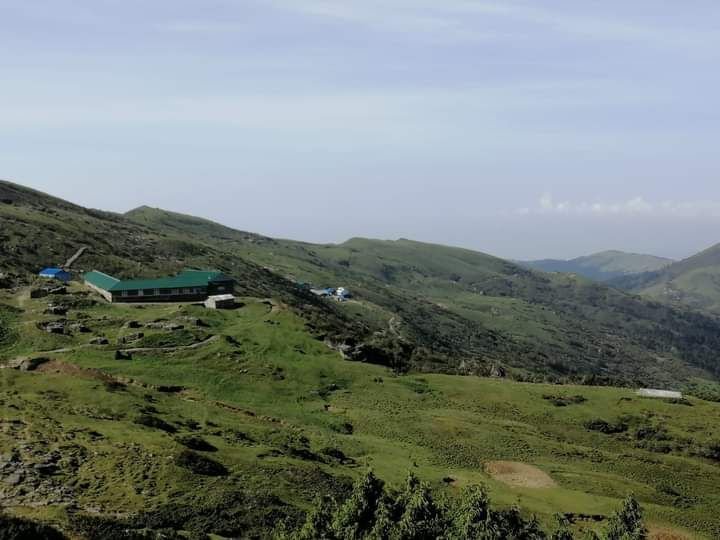
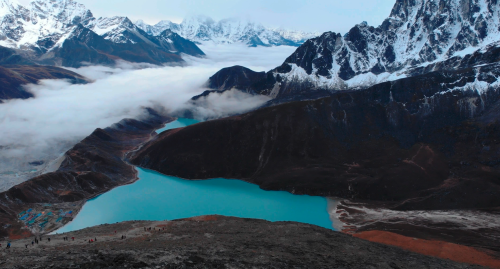
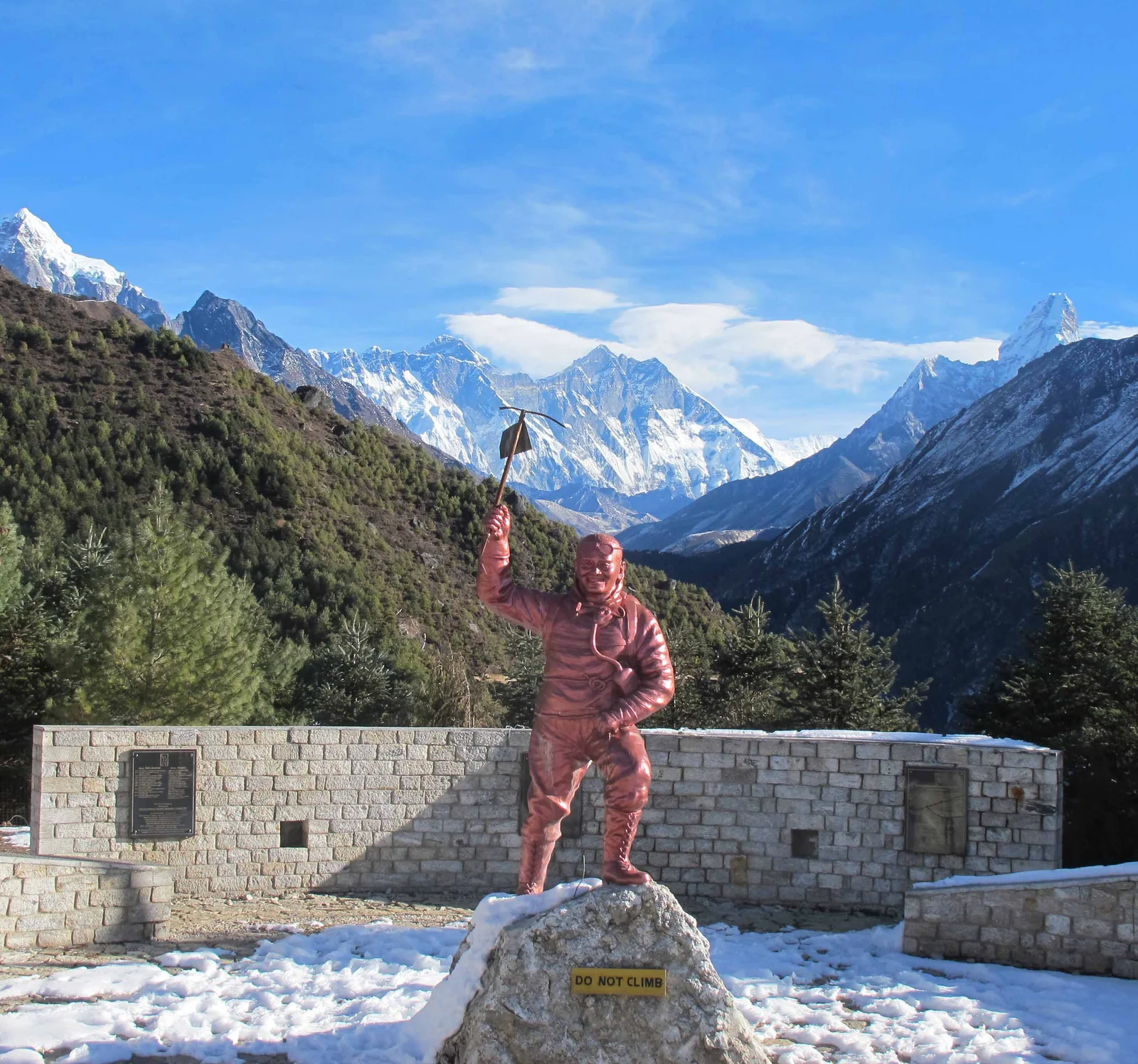
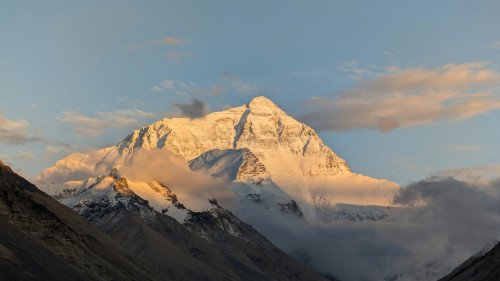
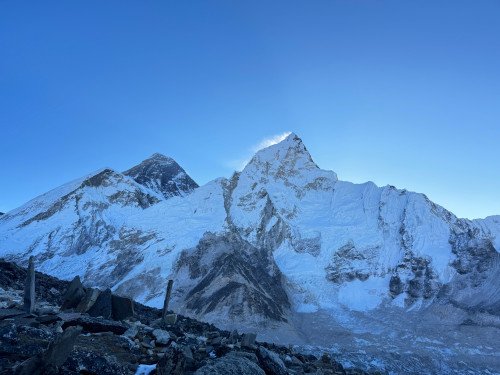
The Pikey Peak Trek is a beautiful short trek in the lower Everest region of Nepal, known for its peaceful trails, traditional Sherpa villages, rhododendron forests, and breathtaking views of the Himalayas. You can see Mount Everest and surrounding peaks, including Lhotse, Makalu, Kanchenjunga, Manaslu, and Dhaulagiri. Away from the busier trails of the Everest region, Pikey Peak offers a quieter way to experience the mountains. Sir Edmund Hillary reportedly described Pikey Peak as his favorite viewpoint of Everest.
The trek takes you through a changing landscape of green hills, dense forests, open ridges, and traditional mountain settlements. During spring, forests at lower elevations come alive with rhododendron flowers. You can experience the warm hospitality of local communities along the way and see how people live in the Himalayan foothills.
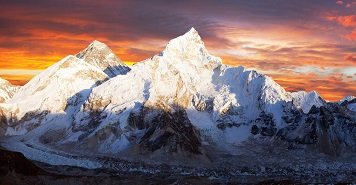
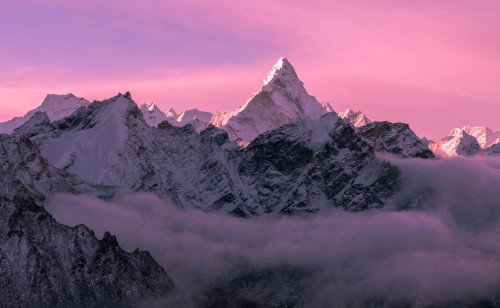
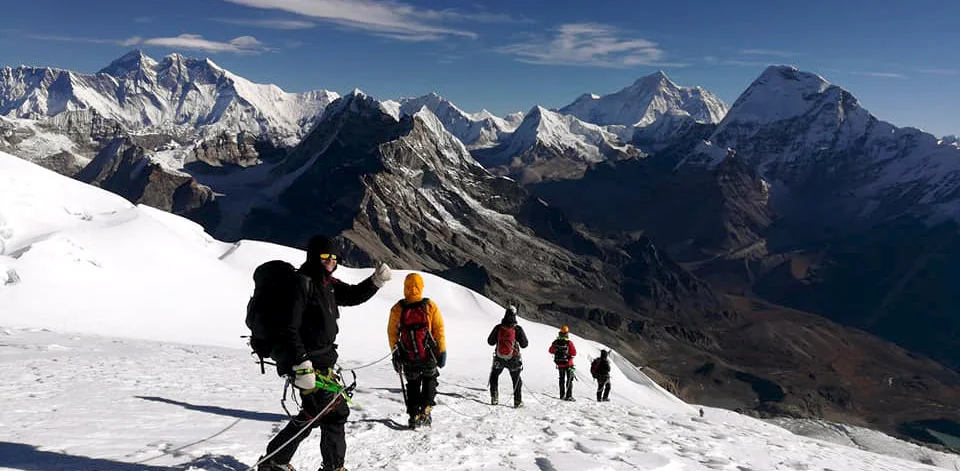
The major highlight of the trek is Pikey Peak, which rises to around 4,065 metres above sea level. The summit is famous for its wide, stunning Himalayan views. You can see several peaks, including Mount Everest, Makalu, Kanchenjunga, Lhotse, Nuptse, Ama Dablam, Mera Peak, and other surrounding mountains. Pikey Peak gives you a wider view of the Himalayas, with mountains stretching across the horizon. The quietness at the peak, the cool mountain air, and the wide mountain views create a peaceful moment that stays with you long after the trek.
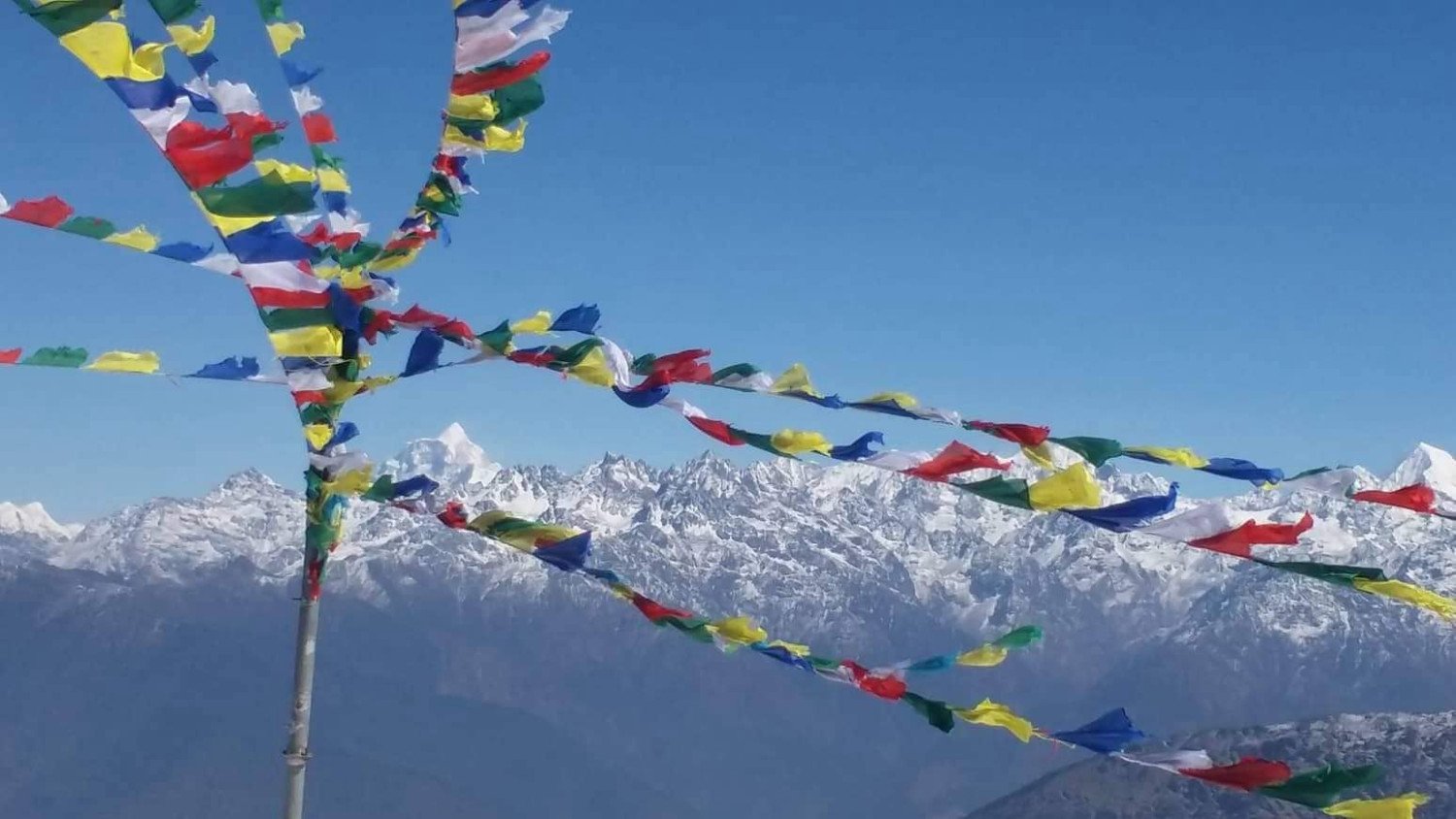
Pikey Peak is also closely connected with Sherpa culture and Buddhist traditions. The route passes through Sherpa villages, monasteries, chortens, prayer flags, and mani walls. These cultural elements are naturally woven into the landscape, giving travellers an opportunity to experience the region beyond its mountain scenery.
The Pikey Peak Trek is an excellent choice for travellers who want to experience the Everest region without committing to a long Everest Base Camp journey. It combines Himalayan views, peaceful trails, local culture, forests, and moderate trekking in a relatively short adventure.
Pikey Peak Trek Itinerary
Collapse All - 30min
 Hotel
After your arrival at Tribhuvan International Airport, our representative will meet you and drop you off at your hotel. Check in to your hotel and rest for some time. You can explore Thamel later in the evening. You can find restaurants, cafés, shops, ATMs, money changers, and trekking gear stores in the area. Later, you will attend a trip briefing at our office and prepare for the trek.
4-5 hrs
Hotel
 B
After breakfast, explore two of Kathmandu’s important cultural landmarks: Pashupatinath Temple and Boudhanath Stupa, both included in the UNESCO World Heritage Site. Pashupatinath, located beside the Bagmati River, is one of Nepal’s most sacred Hindu temples. You will then visit Boudhanath, one of the world’s largest Buddhist stupas and an important centre of Tibetan Buddhist culture. You will then return to your hotel in the afternoon and can use the remaining time to prepare for your trek.
9 hrs
Lodge
B/L/D
After breakfast, begin the long drive towards Dhap, the starting point of your trek. The road passes through green hills, forests, farmland, rivers, and small mountain settlements, with sections following the Sunkoshi River. After reaching Dhap, you can explore the local area if you have time and energy. You will stay overnight at a local lodge.
6 hrs
Lodge
B/L/D
Your Pikey Peak trekking adventure begins today. After breakfast, follow the trail through the beautiful landscapes of Solu and Okhaldhunga. The route passes through forests, mountain villages, Buddhist stupas, and monasteries, giving you an early introduction to the region’s Sherpa culture. If a cultural performance is available during your stay, you may have the opportunity to watch traditional local dances and music. After 6 hours of walking, you will reach Jhapre. Overnight, enjoy dinner and rest at your local lodge.
5 hrs
Lodge
B/L/D
Start early for the climb towards Pikey Peak, one of the highlights of the trek. The trail gradually ascends through the hills, with Buddhist prayer flags adding colour to the route. From the summit, you can witness the beauty of the Himalayas stretching from Annapurna in the west to Kanchenjunga in the east, including Mount Everest and other major peaks. After enjoying the views, descend along the ridge towards Jase Bhanjyang, continue through Loding, and finally reach Junbesi, a beautiful Sherpa village on the traditional Everest trekking route. You will stay overnight at a local lodge.
5 hrs
Lodge
B/L/D
Have breakfast and then walk towards Salung. Along the way, you can enjoy views of Himalayan peaks including Mount Everest, Chamlang, and Makalu. Continue along the ridge towards Taksindu. In the afternoon, visit Taksindu Monastery, an important Buddhist monastery in the area. Stay overnight at a local lodge in Taksindu.
5 hrs
Lodge
B/L/D
Continue towards Phaplu along forested trails. The route takes you to Chiwong Monastery, known for its celebration of the Mani Rimdu festival, a colorful 19-day Sherpa Buddhist celebration in the Everest mountains where monks wear vibrant masks and dance to celebrate good winning over evil.
After exploring the monastery, continue walking towards Phaplu, a small mountain town. Stay overnight at a local lodge there.
25 min /10 hrs
Hotel
B
Take a morning flight from Phaplu to Kathmandu. You can see beautiful aerial views of the hills and mountains along the way. On arrival, reach your hotel and spend the rest of the day relaxing or exploring Kathmandu at your own pace. Alternatively, you can drive from Phaplu to Kathmandu, which takes around 10 hours.
Hotel
B
After breakfast, explore the historic heart of Kathmandu. You will walk through the narrow lanes of ancient Kathmandu, which include markets of Ason, the glass beads market at Indrachowk, the old freak street at Basantapur, and Kilagal. You will also visit Kathmandu Durbar Square and the temple of Kumari, the Living Goddess of Nepal. After the tour, return to Thamel or your hotel and enjoy your final evening in Kathmandu.
30min
Breakfast
Your Pikey Peak Trek ends today. According to your flight schedule, our representative will transfer you to Tribhuvan International Airport approximately three hours before your departure.
Take home the memories of the Himalayan landscapes, Sherpa villages, monasteries, and mountain views experienced along the trek.
Pikey Peak Trek Route Map

Pikey Peak Trek Cost Include/Exclude
What are Included In My Package ?
-
Airport pick-up and drop-off
-
3-star standard hotel accommodation with breakfast in Kathmandu
-
Tea house/lodge accommodation during the trek
-
Breakfast, lunch, and dinner during the trekking days
-
Tea and coffee during the trek
-
Professional trekking guide
-
Porter/helper and assistant guide for groups above 5 trekkers
-
Air ticket from Phaplu to Kathmandu
-
Private transportation from Kathmandu to Dhap
-
Food, accommodation, salary, insurance, medical equipment, and transportation for trekking staff
-
Kathmandu cultural and historical sightseeing with a tour guide
-
Private transportation and entrance fees for sightseeing
-
Trekking certificate
-
Seasonal fruits during the trek
-
First aid box including oximeter
-
TIMS trekking permit
-
Sagarmatha National Park entry permit
-
Down jacket, sleeping bag, fleece liner, and duffel bag
-
Government taxes
What are excluded from the package ?
-
Personal expenses during the trek
-
Personal travel and medical insurance
-
Lunch and dinner in Kathmandu
-
Tips for the guide, porter, and driver
-
Any expenses not mentioned under the inclusion section
-
Unforeseen expenses during the trek
Pikey Peak Trek Altitude Profile
Traveller Useful Information
Pikey Peak Trek Altitude Profile
The Pikey Peak Trek reaches a maximum elevation of 4,065 metres at Pikey Peak. The altitude profile shows the gradual change in elevation along the trekking route and helps travellers understand the physical progression of the journey.
Equipment Checklist
The Pikey Peak Trek takes you through forested trails, Sherpa villages, open mountain ridges, and high-altitude landscapes. Having the right equipment can make the journey more comfortable, particularly during the colder months.
You do not necessarily need to purchase all your trekking equipment before arriving in Nepal. Many trekking items can be bought or hired in Kathmandu at reasonable prices.
General Equipment
-
Four-season sleeping bag suitable for cold conditions
-
Duffel bag or rucksack for carrying your trekking gear
-
Daypack for daily essentials
-
Down jacket for warmth at higher elevations
-
Travel suitcase, if required
-
Waterproof bags or stuff sacks to protect your belongings
Upper Body - Head, Ears and Eyes
-
Sun hat for protection during sunny days
-
Warm wool or synthetic hat that covers your ears
-
Sunglasses for protection against strong sunlight
-
Headlamp with extra batteries
-
Ear warmers, if needed
-
Neck warmer or buff for added warmth
Hands
-
Warm trekking gloves suitable for cold weather
Core Body
-
Comfortable, moisture-wicking T-shirts
-
Lightweight shirts for layering
-
Fleece jacket or pullover for insulation
-
Fleece windproof jacket for added protection
-
Waterproof and breathable shell jacket to protect against wind and rain
Lower Body – Legs and Feet
-
Quick-drying hiking shorts
-
Lightweight thermal underwear for colder conditions
-
Softshell pants for warmth and flexibility
-
Trekking pants suitable for long walking days
-
Comfortable cotton pants for lower elevations or relaxing around lodges
-
Heavyweight socks for colder conditions
-
Lightweight socks for warmer sections of the trek
-
Lightweight to medium-weight waterproof trekking boots
-
Lightweight trekking shoes or sneakers for easier walks
-
Sandals, if needed
Important Packing Tip
Keep your clothing, sleeping gear, and other important belongings protected from rain and moisture. Use waterproof stuff sacks or large waterproof bags to keep everything dry throughout the trek.
Medicines and First Aid Kits
Our guide carries a first aid kit during the trek, but we recommend carrying your own basic personal first aid supplies as well.
-
Headache and fever medicine
-
Medicine for general aches and pains
-
Personal prescription medicines
-
Blister treatment
-
Waterproof medical tape
-
Antiseptic or anti-infection ointment
-
Medicine for stomach upset or diarrhea
-
Oral rehydration salts
-
Any altitude-related medication only after consulting a qualified medical professional
Miscellaneous
-
Passport and copies of important travel-related documents
-
Secure waterproof wallet for money
-
Power bank
-
Binoculars if required
-
Snacks and energy bars
-
Reusable water bottle
-
All clothes and important belongings should be protected from rain and moisture using waterproof bags or covers
Optional
-
Adjustable trekking poles
-
Favourite snacks or energy foods
-
Books or other lightweight entertainment
-
Binoculars
-
Lightweight camera
-
Hydration bladder
-
Small thermos



Pikey Peak Trek FAQs
Expand All +The Pikey Peak Trek is graded easy to moderate. Although the trek reaches an altitude of 4,065 metres, the route is suitable for travellers who have reasonable fitness and are prepared for several hours of walking each day. There are uphill and downhill sections along the trail, so some basic preparation through regular walking or hiking before the trek is recommended.
Pikey Peak is 4,065 metres (13,336 feet) above sea level. It is the highest point of the trek and the main viewpoint for enjoying the panoramic Himalayan scenery.
On a clear day, Pikey Peak offers wide views of the Himalayan ranges. The mountains visible from the viewpoint include Mount Everest, Lhotse, Makalu, Kanchenjunga, Manaslu, and Dhaulagiri, along with other surrounding peaks.
Yes. The trek is graded easy to moderate and can be a good option for beginners who have reasonable physical fitness and prepare properly before the journey. The route still reaches 4,065 metres, so it is important to walk at a comfortable pace, stay hydrated, and follow the advice of your trekking guide.
The Pikey Peak Trek offers a quieter experience of the Everest region. Instead of following the busy Everest Base Camp route, you travel through peaceful trails, Sherpa villages, forests, monasteries, and open mountain landscapes. It is also an appealing option for travellers who want to experience the Everest region without taking a flight to Lukla.
Yes. Mount Everest can be seen from Pikey Peak, along with several other major Himalayan peaks. Clear weather provides the best visibility and allows you to appreciate the wide mountain panorama from the summit.
The best seasons for the Pikey Peak Trek are spring and autumn. Spring, particularly from March to May, brings pleasant trekking conditions and colourful rhododendron forests. Autumn, from September to November, generally offers clear skies, comfortable temperatures, and good mountain visibility. Winter can be colder and may bring snow to higher sections, while the monsoon season can bring rain, clouds, and reduced mountain visibility.
The trek takes you through Sherpa villages and Buddhist communities, where you can see monasteries, stupas, prayer flags, and other elements of local culture. The route also includes visits to places such as Taksindu Monastery and Chiwong Monastery, giving travellers an opportunity to learn more about the Buddhist traditions of the Solu-Khumbu region.
The Pikey Peak Trek brings together many of the things travellers look for in a Himalayan journey: beautiful mountain views, peaceful trails, Sherpa culture, Buddhist heritage, forests, traditional villages, and scenic Himalayan views. It is particularly suitable for travellers who want to see Everest and experience the lower SoluKhumbu region without taking on one of the longer and more demanding Everest treks. The combination of scenery, culture, and relatively quiet trails makes Pikey Peak a rewarding way to experience the Himalayas.







.webp)







Thierry VAustriaOn 2025-03-08
Super top
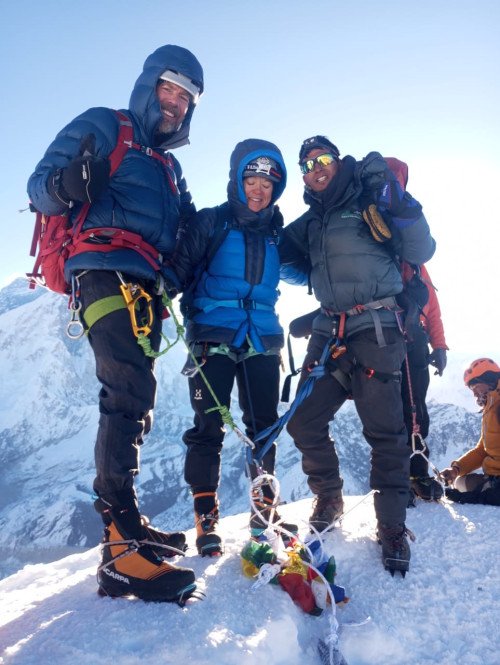
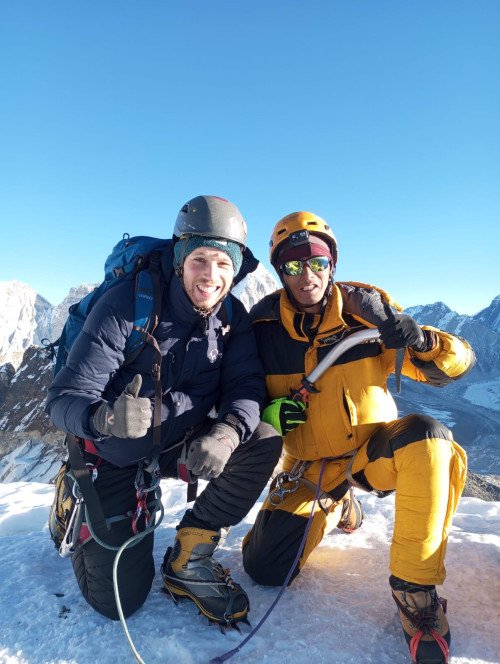
I left for 6 days on the pikey peak trek. An extraordinary and not too difficult experience.A summit at 4000 m and a breathtaking view of the Everest mountain range. The agency that accompanied me in this adventure: mountain delight trek and expedition pvt . Really great organization and sympathy really top.
Do not hesitate you will not be disappointed.
I highly recommend it.