Pokalde Trek Overview
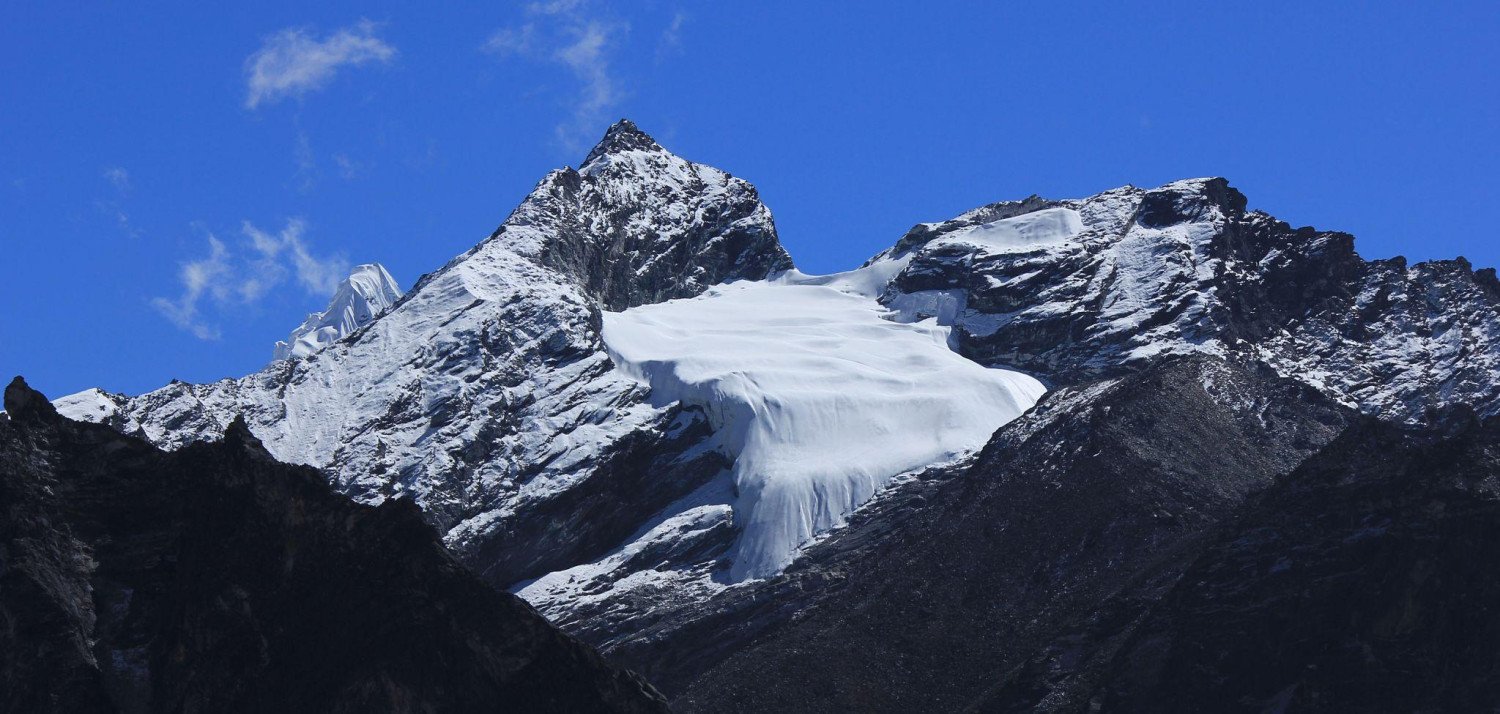
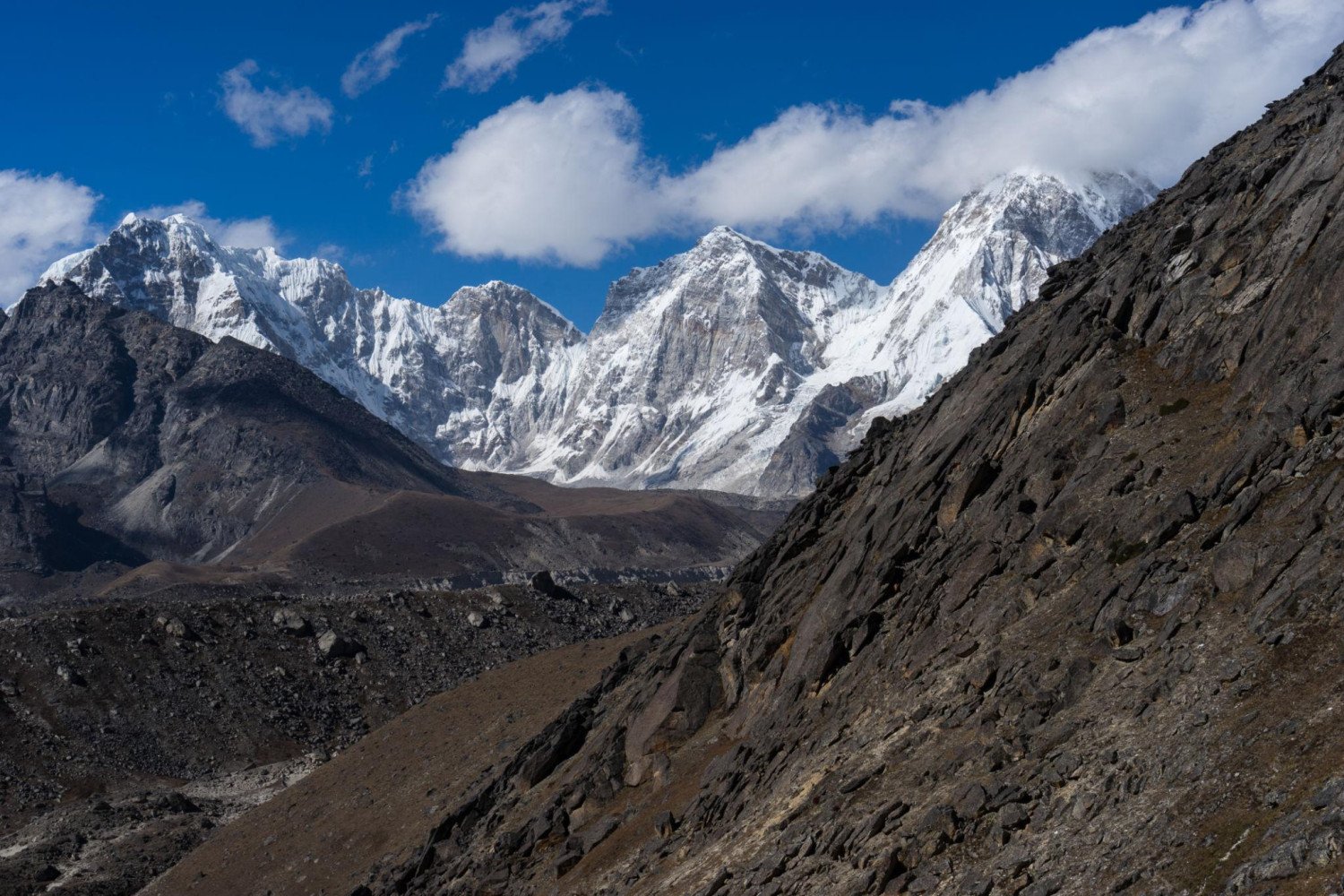
The Pokalde Trek is a short but adventurous Himalayan trekking route in Nepal’s Everest region, leading toward the base area of Pokalde Peak (5,806 m). It is often combined with classic routes like the Everest Base Camp trail, making it a popular option for trekkers seeking a less crowded high-altitude experience.
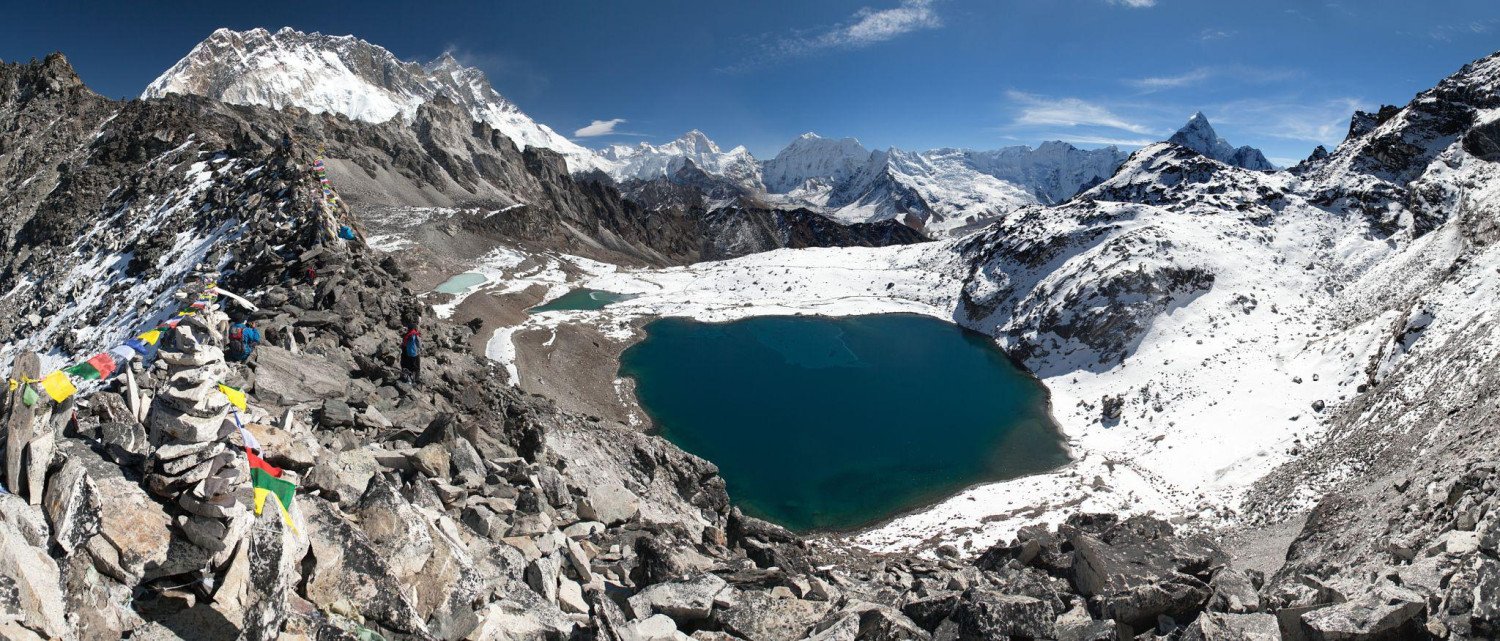
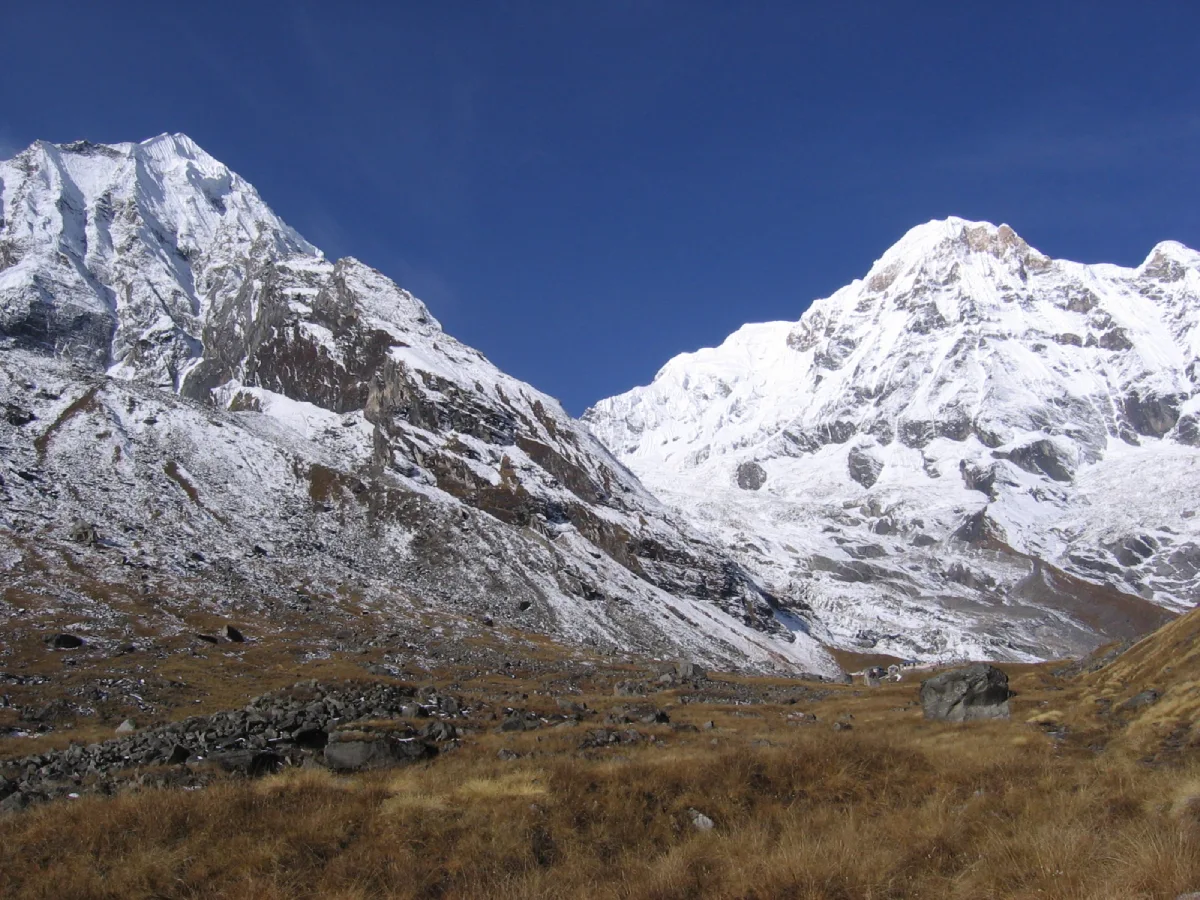
Starting typically from Lukla, the trail follows the famous Khumbu Valley through well-known Sherpa settlements such as Phakding, Namche Bazaar, and Tengboche. As the journey progresses, the landscape gradually transforms from lush green forests and suspension bridges to rugged alpine terrain and glacial surroundings.
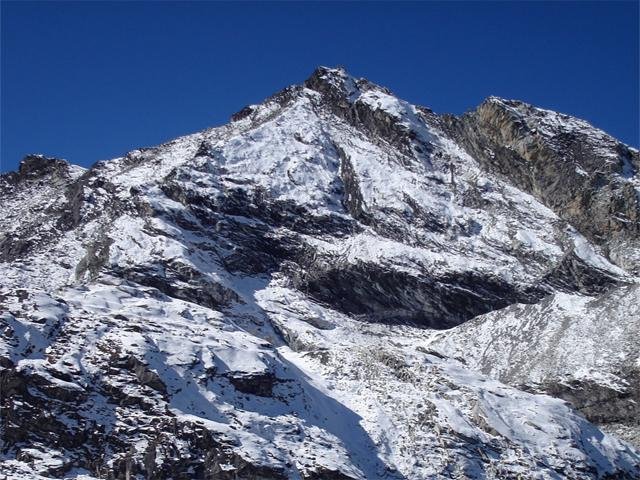
Unlike longer expeditions, the Pokalde Trek is relatively short but physically demanding due to its altitude. The highlight is reaching Pokalde Base Camp and, for climbers, the ascent of Pokalde Peak itself, which is considered one of the easier trekking peaks in the Everest region, often used for acclimatization and basic mountaineering practice.
The trek offers spectacular views of Himalayan giants such as Mount Everest, Lhotse, Ama Dablam, and Nuptse, along with deep cultural exposure to Sherpa traditions, monasteries, and high-altitude village life.
Overall, the Pokalde Trek is ideal for trekkers who want a compact Himalayan adventure that blends trekking, cultural exploration, and optional peak climbing in one journey.
Best Season
The best season for the Pokalde Peak trek is spring (March to May) and autumn (September to November), when the weather is most stable and the Himalayan views are at their clearest.
In spring, the trail is especially beautiful with blooming rhododendrons in the lower Everest region, comfortable daytime temperatures, and generally reliable weather conditions. This season is also popular for climbers preparing for peak ascents because the snow conditions are more manageable.Autumn is equally ideal, offering crystal-clear skies after the monsoon, excellent mountain visibility, and dry trekking trails. The temperature is pleasant, making it one of the safest and most enjoyable times to explore the Khumbu region.Winter (December to February) is possible but quite challenging due to extreme cold and heavy snowfall at higher elevations, which can make the climb more difficult. The monsoon season (June to August) is generally not recommended because of heavy rain, slippery trails, flight delays, and poor visibility.
Overall, spring and autumn remain the best periods for a successful and rewarding Pokalde Trek experience.
Difficulty
The difficulty level of the Pokalde Peak trek is generally considered moderate to challenging, depending on how far the itinerary goes and whether you include the summit climb.
As a trek, the route follows the classic Everest region trails up to high-altitude areas above 5,000 meters, where the main challenge comes from elevation rather than technical walking. Trekkers need to be comfortable with long walking days, steep ascents and descents, and rapidly changing weather conditions in the Himalayas. The terrain itself is mostly non-technical on the trekking route, but the thin air at higher elevations can make even simple sections feel physically demanding.If the journey includes an ascent of Pokalde Peak, the difficulty increases to a basic mountaineering level. While it is considered one of the easier trekking peaks in Nepal, climbers may still encounter snow slopes, icy sections, and the need for crampons, ropes, and basic climbing techniques. Good physical fitness and prior high-altitude trekking experience are strongly recommended.
Overall, the Pokalde Trek is suitable for fit trekkers who have some experience with multi-day Himalayan trekking and are prepared for altitude exposure. It is often used as an introduction to peak climbing in the Everest region rather than a purely beginner-friendly route.
Accommodation during Pokalde Trek
The accommodation during the Pokalde Peak trek is mainly based on the classic Everest region tea house system, with options ranging from basic lodges to more comfortable upgraded stays depending on your budget and preference.
Basic Accommodation:
Most trekkers stay in simple but comfortable tea houses along the route. These lodges offer twin-sharing rooms with basic beds, warm blankets, and shared bathroom facilities. Meals are freshly prepared in-house, usually including traditional Nepali dishes. The comfort is simple, but it provides a warm and authentic Himalayan trekking experience.
Luxury Accommodation:
In lower sections of the Everest trail such as Lukla, Phakding, and Namche Bazaar, you can find upgraded lodges and boutique-style tea houses. These offer better beds, hot showers, Wi-Fi, and improved dining services. This option is ideal for trekkers who want extra comfort after long walking days.
Premium Accommodation:
Premium stays are limited but available in key villages like Namche Bazaar. These lodges provide private rooms, attached bathrooms in some cases, heated dining areas, and higher service standards. This level of comfort is suitable for those who prefer a more relaxed trekking experience in the Khumbu region.
Camping Option:
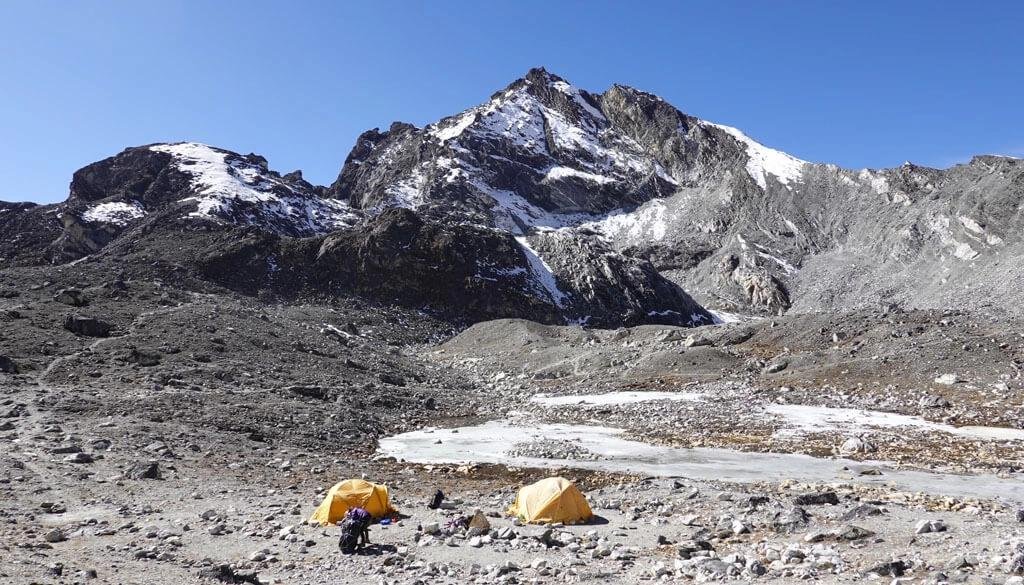
Camping is rarely used on the standard Pokalde route but can be arranged for expedition-style programs or peak climbing itineraries. In such cases, full camping support is provided, including tents, sleeping mats, kitchen setup, and support staff.
Throughout the trek, tea houses also serve a variety of meals including dal bhat, noodles, soups, pancakes, and momos, giving trekkers enough energy for high-altitude walking.
Overall, accommodation on the Pokalde Trek is simple but reliable, with increasing comfort at lower elevations and more basic facilities as you go higher into the mountains.
Pokalde Trek Itinerary
Collapse All - Hotel
Hotel
 B/B
B/B
As you land at Tribhuvan International Airport, our representative will welcome you in arrival and transfer you to the hotel. After Check-in and a short break, we will take you to the vibrant Thamel area, where you can have lunch, exchange currencies, and even shop for trekking gears. You will spend the night at the hotel.
Note: Any delays of the flights will result in shifting the planned activities to the next possible day.
 4
Hotel
B/B
4
Hotel
B/B
Start your day with a warm breakfast at your hotel before beginning a guided tour of two culturally important UNESCO World Heritage Sites:
Pashupatinath Temple: It is one of the most celebrated Hindu temples in South-Asia. The temple is devoted to Lord Shiva. This place is a UNESCO World Cultural Heritage Site. The Bagmati river flowing besides the temple is religiously and spiritually significant for Hindus where cremation of dead body takes place. Pashupatinath temple holds the most of prominence during Shivaratri – Shiva’s birthday and thousands of pilgrims gather in the night to celebrate the day.
Boudhanath Stupa: It is one of the biggest Stupas in terms of size and height in Nepal and located in east of Kathmandu in the ancient trade route between India-Nepal and Tibet. The site is peaceful and culturally filled with intermixed influence of Tibetan and Sherpa roots. Stupa built in the trading route between Kathmandu and Tibet has four pairs of eyes directed towards all four directions. It is believed to be influenced by Mahayana Buddhist philosophy.
After a short tour of city, we return in order to prepare for the trek. You will spend the night at hotel.
3-4
Lodge
B/L/D
Enjoy an exciting mountain flight to Lukla Airport, considered one of the world’s most scenic airports. After meeting the trekking crew, begin trekking through beautiful Sherpa villages, prayer wheels, mani walls, and pine forests before reaching Phakding beside the Dudh Koshi River.
5-6
Lodge
B/L/D
The trail follows the Dudh Koshi River, crossing several suspension bridges decorated with colorful prayer flags. After entering Sagarmatha National Park, the route climbs steadily through forests and traditional settlements. If weather permits, you may catch your first glimpse of Mount Everest before arriving at the bustling Sherpa capital of Namche Bazaar.
Lodge
B/L/D
This important acclimatization day helps your body adjust to the increasing altitude. You may hike to Everest View Hotel for spectacular Himalayan panoramas including Ama Dablam, Everest, Lhotse, and Thamserku. You can also explore local museums, bakeries, and Sherpa markets around Namche.
5-6
Lodge
B/L/D
The trail offers breathtaking mountain views while traversing high ridges above the valley. After descending to Phunki Tenga, a steep uphill climb leads to Tengboche, famous for the beautiful Tengboche Monastery. Surrounded by towering Himalayan peaks, Tengboche is one of the most scenic locations in the Everest region.
5-6
Lodge
B/L/D
After visiting the monastery in the morning, descend through rhododendron forests and cross the Imja Khola River. Pass traditional Sherpa settlements including Pangboche before gradually ascending into the alpine landscape of Dingboche, known for its stone-walled fields and mountain scenery.
5-6
Teahouse
B/L/D
Continue trekking through high alpine terrain with dramatic views of glaciers and snow-covered peaks. The trail passes Thukla and memorial monuments dedicated to climbers who lost their lives on Everest expeditions. A gradual climb brings you to Lobuche.
6-7
Tea House
B/L/D
Trek along the rocky glacier trail to Gorak Shep, the last settlement before Everest Base Camp. After lunch, continue to the legendary Everest Base Camp where climbers prepare for Everest expeditions during spring season. Enjoy incredible glacier scenery and surrounding Himalayan views before returning to Gorak Shep.
5-6
Tea House
B/L/D
Wake up early for a sunrise hike to Kala Patthar, one of the best viewpoints in the Everest region. From the summit, witness spectacular close-up views of Everest, Nuptse, Pumori, and surrounding peaks glowing in morning light. Descend to Gorak Shep and retrace the trail back to Lobuche.
4-5
Lodge
B/L/D
Today involves a shorter climb to High Camp. Your climbing guide will provide basic mountaineering instruction including rope handling, ice axe techniques, and safety procedures. Spend the afternoon preparing equipment and resting before summit day.
8-9
Lodge
B/L/D
Begin the summit climb early in the morning. Although considered one of Nepal’s easier trekking peaks, Pokalde Peak offers a thrilling climbing experience with rocky ridges and snowy sections. From the summit, enjoy magnificent panoramic views of Everest, Makalu, Lhotse, Ama Dablam, and Island Peak. After celebrating the achievement, descend carefully and continue to Chhukung.
5-6
Lodge
B/L/D
Descend through the Imja Valley with scenic mountain views and retrace the trail through Dingboche and Pangboche villages before reaching Tengboche.
6-7
Lodge
B/L/D
Continue descending through forests and Sherpa settlements. Pass through Namche Bazaar and follow the Dudh Koshi River valley to reach Monjo.
5-6
Lodge
B/L/D
The final trekking day follows the familiar trail back to Lukla. Enjoy the last evening in the Himalayas celebrating with your trekking and climbing crew.
Hotel
B/L/D
Take an early morning scenic flight back to Kathmandu. After hotel check-in, enjoy free time for shopping, relaxation, or optional cultural activities around the city.
4
Hotel
B/B
Today we will have a trip around the local places in Kathmandu valley to get a sense of the historical, cultural, and spiritual affluence, as well as to unravel the social and historical riddles and see the artistic treasures. During the tour, you can capture the centuries-old monuments and ancient crafts. We will visit Ason's local market, New Road's oldest supermarket- Kilagal, and the hidden stupa among other places. We next proceed to Kathmandu Durbar Square on foot. The visit to the temple of the living goddess "Kumari" is the most unusual experience in the square. A walking tour of Durbar Square will be a great blend of culture, history, art, architecture, and traditional values present in the valley. Overnight stay at hotel.
According to your flight schedule, transfer to Tribhuvan International Airport for your departure. Your unforgettable adventure in the Everest region concludes with wonderful Himalayan memories.
Pokalde Trek Cost Include/Exclude
What are Included In My Package ?
- Airport pickup and drop-off in Kathmandu
- Three-star hotel accommodation with breakfast in Kathmandu
- Teahouse lodge accommodation throughout the trek
- All meals on the trail: breakfast, lunch, and dinner daily
- Tea and coffee three times a day during the trek
- A professional licensed trekking guide and a personal porter
- Assistant guide for groups of five trekkers and above
- Round-trip domestic flights between Kathmandu and Lukla including departure taxes
- All food, accommodation, salary, insurance, and transport for the full trekking staff team
- Kathmandu cultural sightseeing with a tour guide, private vehicle, and all entry fees
- Khumbu Pasang Lhamu Municipality Permit
- Sagarmatha National Park entry permit
- Complimentary down jacket, sleeping bag, fleece liner, and duffel bag for the trek
- First aid kit with pulse oximeter
- All applicable government taxes
What are excluded from the package ?
-
Alcoholic drinks, mineral water, cold drinks, and cigarettes
-
Personal travel insurance
-
Any expenses resulting from unforeseen circumstances
-
Lunch and dinner in Kathmandu
-
Tips for the guide, porter, and driver (not compulsory but always appreciated)
-
Anything not specifically listed under inclusions
Pokalde Trek Altitude Profile
Pokalde Trek FAQs
Expand All +Pokalde Peak (4,065 m) is located in the Everest region of Nepal, near Dingboche and Kongma La Pass, between the Everest Base Camp trail and Island Peak route.
It is considered a moderate to moderately difficult trekking peak climb.
- Trekking is relatively easy up to Dingboche
- Final summit involves basic rock scrambling and fixed rope sections
No technical mountaineering experience is required, but good fitness is essential.
No prior climbing experience is mandatory, but:
- Basic trekking experience is recommended
- Training in walking on rocky terrain and using a harness helps
- Your guide will provide rope and safety training
Yes, you need:
- Everest National Park Entry Permit
- TIMS Card
- Trekking Peak Climbing Permit (issued by Nepal Mountaineering Association - NMA)
- Teahouses along the trekking route (basic but comfortable)
- Higher camps may require tent camping depending on itinerary
Basic trekking gear plus:
- Hiking boots (broken in)
- Warm down jacket
- Gloves, thermals
- Crampons (sometimes required depending on conditions)
- Harness and helmet (usually provided by guide)



.webp)