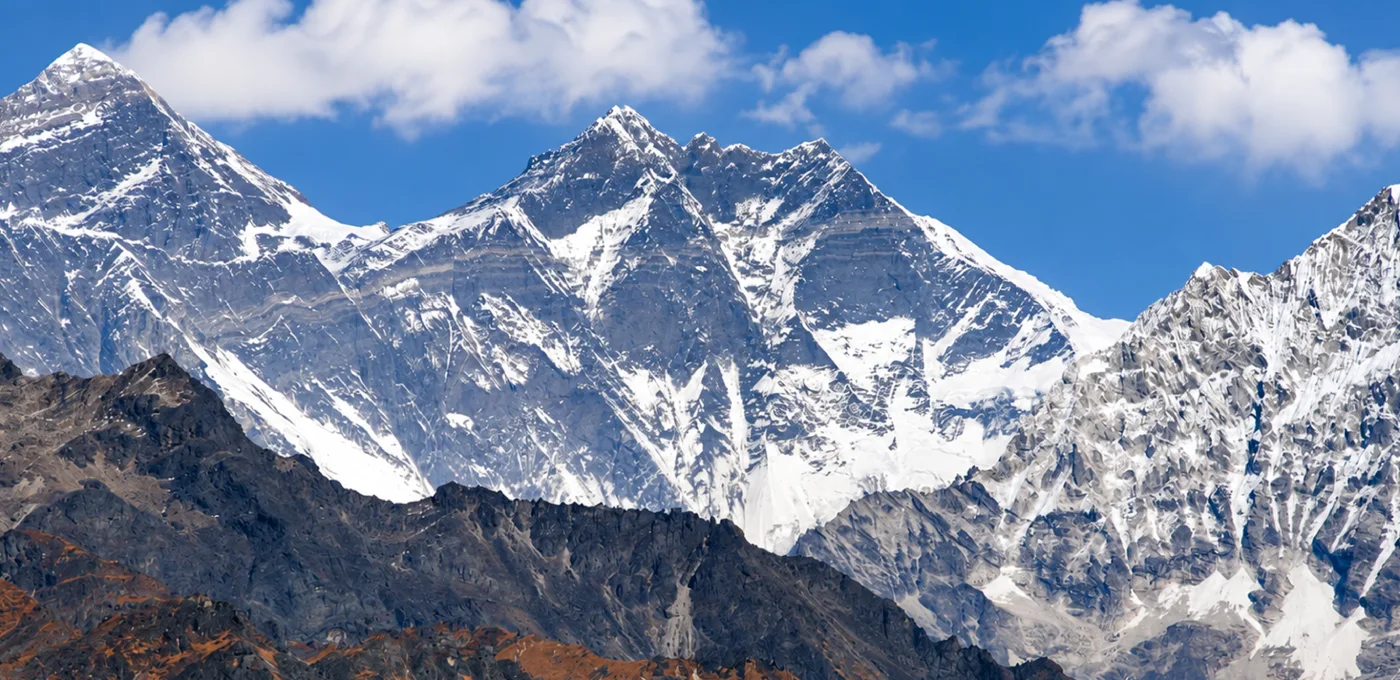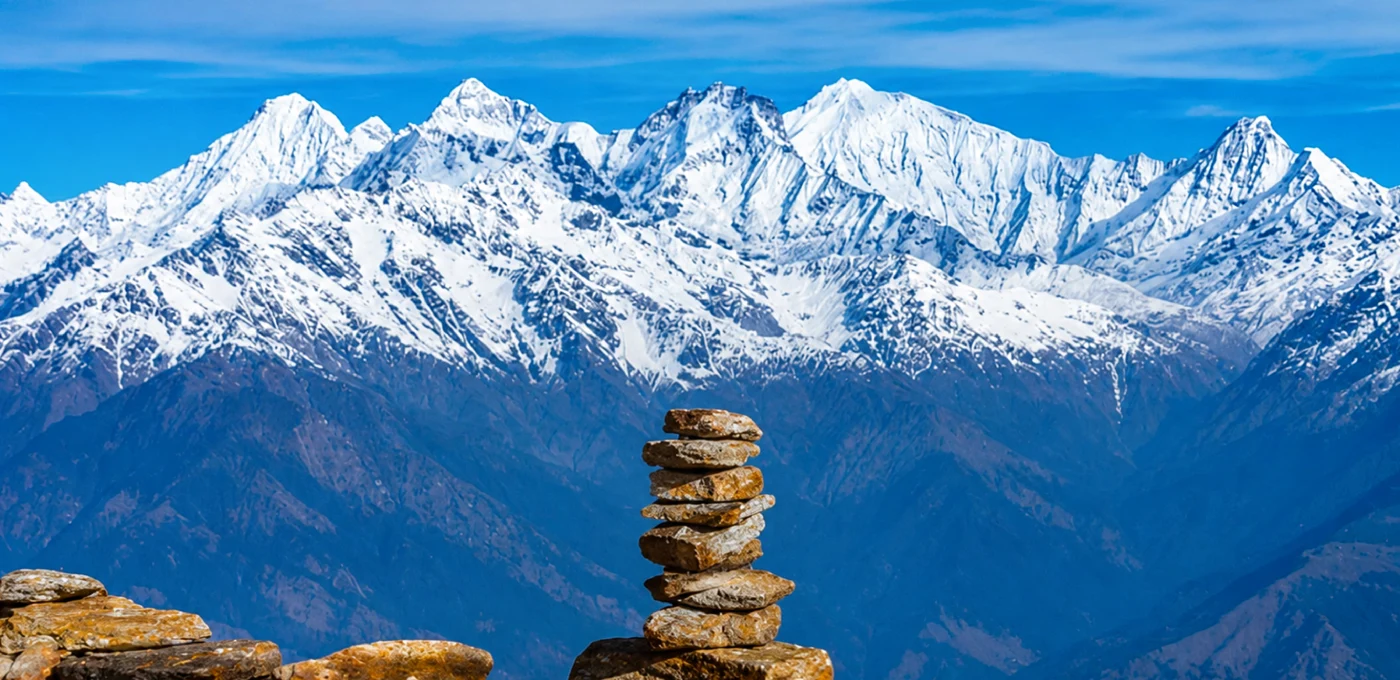
The best time for the Pikey Peak Trek is generally spring (March to May) and autumn (September to November). These seasons offer comfortable trekking conditions, clear skies, and excellent views of the Himalayan mountain range, including Mount Everest. However, you can trek on Pikey Peak throughout the year. Each season brings a different charm to the landscape, from colourful rhododendron forests in spring to snow-covered hills in winter. Understanding the seasonal differences can help you choose the right time for your trek.
The Pikey Peak Trek is a beautiful journey in the lower Everest region of Nepal, offering stunning views of Mount Everest, Kanchenjunga, Makalu, Lhotse, and other Himalayan peaks. The trail takes you through peaceful Sherpa villages, traditional monasteries, dense forests, and open mountain ridges. You will experience the warm hospitality of local communities, explore their unique culture and traditions, and enjoy beautiful Himalayan scenery away from the busy trekking routes.
In this blog, we'll look at the best time for the Pikey Peak Trek and what you can expect in each season, along with the unique beauty each season brings to the Pikey Peak landscape, to help you choose the season that suits your trekking plans.
1. Spring (March to May)
Spring is one of the best times for the Pikey Peak Trek. During this season, the weather gradually becomes warmer, and the forests along the trail come alive with colourful rhododendron blooms. The hills turn green, flowers decorate the walking trails, and the surrounding mountains remain covered in snow. The combination of blooming forests, pleasant temperatures, and beautiful mountain views makes spring a wonderful time to explore the region.
Month-by-month breakdown:
- Sky Visibility: During early mornings, skies are often clearer and have excellent mountain visibility. March and April are particularly good for enjoying panoramic Himalayan views. However, clouds may gradually gather during the afternoons, especially towards May as the monsoon appears.
- Daytime Temperature: Daytime temperatures are generally comfortable for walking, ranging from around 10°C to 15°C in March and reaching approximately 15°C to 20°C in May, depending on altitude and weather conditions.
- Nighttime Temperature: Nights remain cold, particularly at higher elevations. Temperatures can drop below freezing in March, while May generally brings milder nighttime conditions.
- Trail Conditions: Trails are generally dry and stable, making walking comfortable. Rhododendron forests are particularly beautiful during March and April, when the flowers are in full bloom. Occasional snowfall may still occur at higher elevations in early March.
- Crowds: In March, you can see relatively fewer trekkers, while April becomes busier as the spring trekking season reaches its peak. Crowds generally remain moderate in May.
2. Autumn (September to November)
Autumn is another excellent season for the Pikey Peak Trek. After the monsoon rains, the surrounding hills and forests appear fresh and green, and skies gradually become clearer. The season offers some of the best opportunities to enjoy uninterrupted Himalayan views. Pleasant daytime temperatures and stable weather make autumn a popular time for trekking in the lower Everest region.
Month-by-month breakdown:
- Sky Visibility: September can still bring occasional clouds and rainfall, particularly during early autumn. October generally offers clear blue skies and excellent mountain visibility. November is also known for crisp mornings and sharp views of the Himalayan peaks.
- Daytime Temperature: Daytime temperatures are comfortable in September and October, generally ranging from 10°C to 20°C depending on altitude. By November, temperatures gradually drop, especially in exposed areas and higher sections of the trail.
- Nighttime Temperature: Nights become increasingly cold as the season progresses. September generally has milder nighttime conditions, while temperatures can fall below freezing in November, particularly at higher elevations.
- Trail Conditions: Trails may remain wet and muddy during early September due to the remaining monsoon rainfall. By October, walking conditions improve, with dry and stable trails. November also offers comfortable trekking conditions, while frost may appear during colder mornings.
- Crowds: September is relatively quiet, while October is one of the busiest months for trekking. November continues to attract trekkers, although crowds gradually decrease towards the end of the month.
3. Winter (December to February)
Winter is suitable for trekkers who enjoy cold weather, peaceful trails, and beautiful snow-covered landscapes. During this season, Pikey Peak offers stunning views of the Himalayan range on clear winter skies. The trails are generally quieter, allowing you to experience the peaceful mountain environment and local villages without the crowds of the peak trekking seasons.
Month-by-month breakdown:
- Sky Visibility: Winter generally offers excellent mountain visibility, particularly during early mornings. The skies are often clear, providing beautiful panoramic views of Everest and the surrounding Himalayan peaks. However, occasional snowfall and winter weather can affect visibility.
- Daytime Temperatures: Daytime temperatures remain cold throughout the season. Lower sections feel relatively comfortable under direct sunlight, but temperatures at higher elevations can remain close to freezing, especially during cloudy weather.
- Nighttime Temperatures: Nights can become extremely cold, with temperatures dropping below freezing at higher elevations. January is generally the coldest month. Warm sleeping bags, thermal layers, gloves, and insulated jackets are essential.
- Trail Conditions: Lower trails are generally dry and stable, but snowfall can cover higher sections and make the route slippery. Icy patches may develop during colder mornings, so proper trekking boots and additional traction equipment are necessary.
- Crowds: Winter is one of the quietest seasons for the Pikey Peak Trek. You can enjoy peaceful trails and a more personal experience of the local villages. However, some teahouses may close or operate with limited services, so checking accommodation availability before starting the trek is important.
4. Monsoon (June to August)
The monsoon season is generally the least favourable time for the Pikey Peak Trek. During these months, the lower Everest region receives frequent rainfall, making the trails muddy and slippery. Clouds, mist, and fog cover the surrounding mountains, limiting opportunities to enjoy the famous Himalayan views. However, the landscape becomes lush and green, with beautiful forests, flowing streams, and waterfalls along the route.
- Sky Visibility: Sky visibility is highly unpredictable during the monsoon. Thick clouds and valley fog frequently cover the mountain peaks, sometimes for several days. Early mornings may offer clear views before clouds gather.
- Daytime Temperatures: Daytime temperatures remain relatively warm and humid at lower elevations, generally ranging from around 15°C to 25°C. Higher sections are comparatively cooler, particularly during rainfall.
- Nighttime Temperatures: Nighttime temperatures remain relatively mild compared to winter. However, higher elevations can still become chilly, so carrying warm clothing is important.
- Trail Conditions: Trails can become muddy, slippery, and difficult to navigate due to continuous rainfall. Wet rocks, leeches in forested sections, and occasional landslides can make certain parts of the route challenging. Waterproof trekking boots and rain gear are essential.
- Crowds: The monsoon season sees very few trekkers, making it one of the quietest times to explore Pikey Peak. The hills and forests become beautifully green, and waterfalls and streams are particularly attractive during this season. However, frequent rain and limited mountain visibility can affect the overall trekking experience.
Which Season Should You Choose for the Pikey Peak Trek?
Spring and autumn are suitable for trekkers who want comfortable walking conditions and excellent Himalayan views. Spring is particularly appealing if you want to see colourful rhododendron forests and enjoy the fresh greenery of the hills. Autumn, on the other hand, offers stable weather, clear skies, and some of the best opportunities to enjoy panoramic views of Mount Everest and the surrounding peaks.
Winter can be a good option if you enjoy cold weather, snow-covered landscapes, and quieter trails. However, you should be prepared for freezing temperatures and possible snowfall at higher elevations. Monsoon trekking is possible, but it requires proper planning, suitable rain gear, and flexibility with your itinerary. You can enjoy lush green forests, waterfalls, and peaceful mountain trails, although mountain visibility may be limited.
Your choice ultimately depends on the kind of experience you want, your trekking experience, and your tolerance for different weather conditions. In any of these seasons, checking the weather forecast, confirming accommodation availability, and carrying suitable clothing and equipment is important.
Plan Your Pikey Peak Trek with Mountain Delights
Ready to experience the breathtaking beauty of Pikey Peak? Join Mountain Delights and explore peaceful Sherpa villages, beautiful rhododendron forests, traditional monasteries, and stunning Himalayan views. Whether you want to trek during the colourful spring season or enjoy the clear mountain views of autumn, our team can help organise your journey according to your preferences.
Contact Mountain Delights today to plan your Pikey Peak adventure and create unforgettable memories in the lower Everest region of Nepal.
.webp)