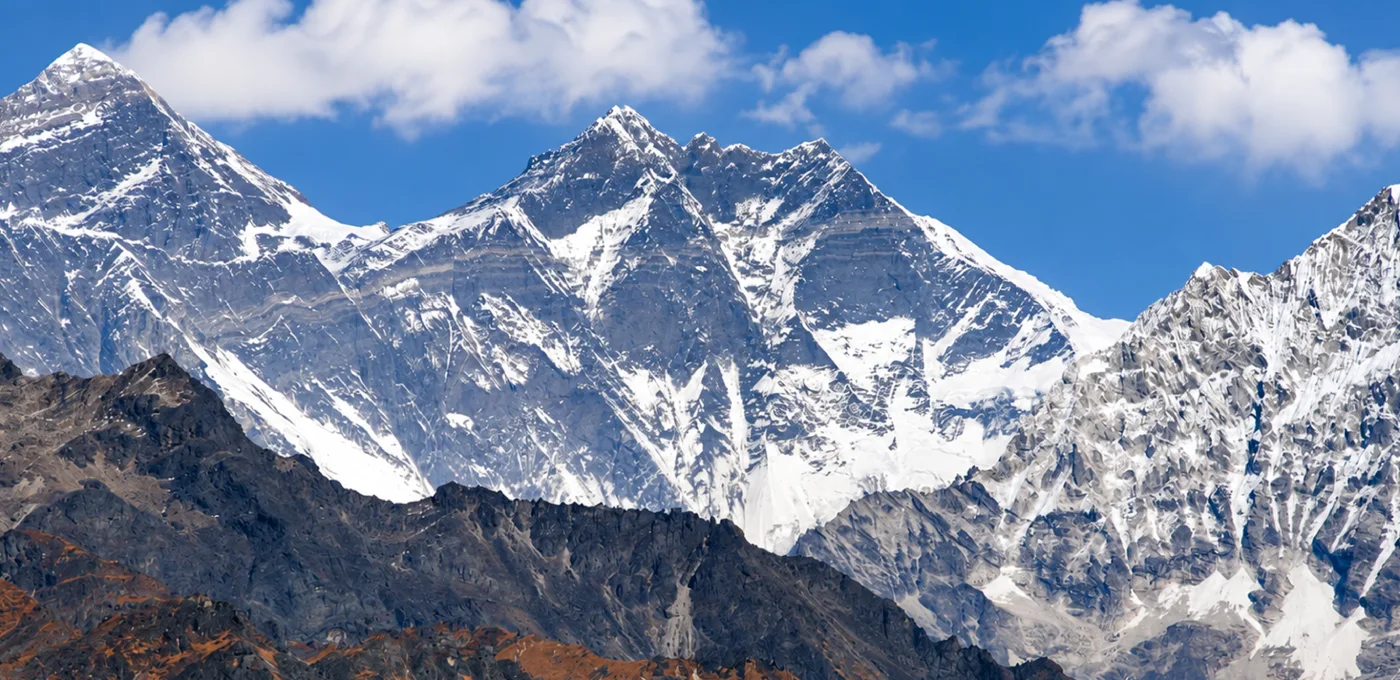
The Pikey Peak Trek is a relatively easy to moderate trek in the lower Everest region of Nepal. It is suitable for travellers who want to experience Himalayan mountain views, traditional Sherpa villages, and peaceful trekking trails without taking on a demanding high-altitude adventure. However, the trek still requires a reasonable level of fitness, as you will walk for several hours each day and climb to an altitude of 4,065 metres.
The difficulty of the Pikey Peak Trek depends on your fitness, walking experience, and how well you adjust to the altitude. The trail has gradual ascents, steep uphill sections, and some long descents. While you do not need previous trekking experience, being comfortable with walking for five to six hours a day can make the journey easier.
In this guide, we explain the factors that affect the difficulty of the Pikey Peak Trek and what you can expect along the way.
Is the Pikey Peak Trek Suitable for Beginners?
Yes, the Pikey Peak Trek is suitable for beginners who have reasonable physical fitness and are comfortable walking for several hours a day. You do not need previous trekking experience or technical climbing skills to complete this trek. Its relatively short duration and moderate difficulty make it an option for travellers who are new to trekking in the Himalayas.
However, beginners should be prepared for uphill climbs, uneven trails, and changing weather conditions. Most trekking days involve around five to six hours of walking. The ascent to Pikey Peak can have challenging sections, and downhill trails can put pressure on your knees if you are not used to hiking. The trek is manageable for beginners with reasonable fitness. Regular walking, light hiking, and some uphill exercise before the trip can help you prepare for the journey.
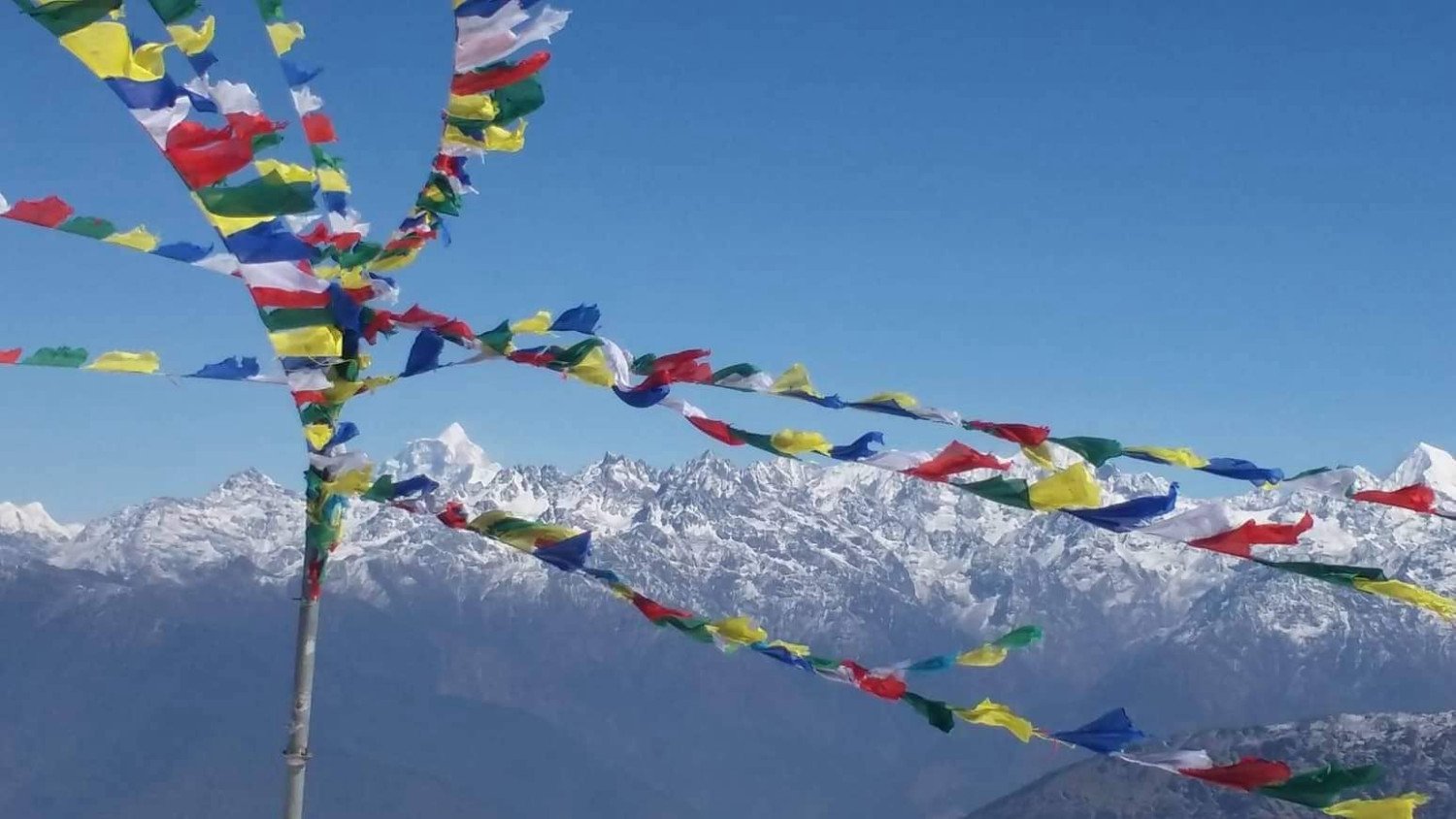
Factors That Affect the Difficulty of the Pikey Peak Trek
Several factors influence how difficult the Pikey Peak Trek feels. Understanding these challenges can help you prepare for the journey and enjoy your time in the mountains.
1. Altitude and Acclimatisation
Altitude is one of the main challenges of the trek, as Pikey Peak stands at 4,065 metres above sea level. As you gain elevation, the air becomes thinner, and your body receives less oxygen with each breath. You may notice that walking uphill becomes more tiring than it would at lower elevations.
Although the trek does not reach the extreme altitudes of Everest Base Camp, altitude sickness is still possible. Headaches, dizziness, nausea, and unusual tiredness can be signs of altitude sickness. Therefore, it is important to walk at a pace comfortable for you, stay hydrated, and pay attention to how your body feels.
The itinerary allows you to gain altitude gradually, but individual responses to altitude vary. If you experience symptoms of altitude sickness, inform your guide immediately. Do not continue ascending while experiencing symptoms.
2. Trail Conditions and Elevation Gain
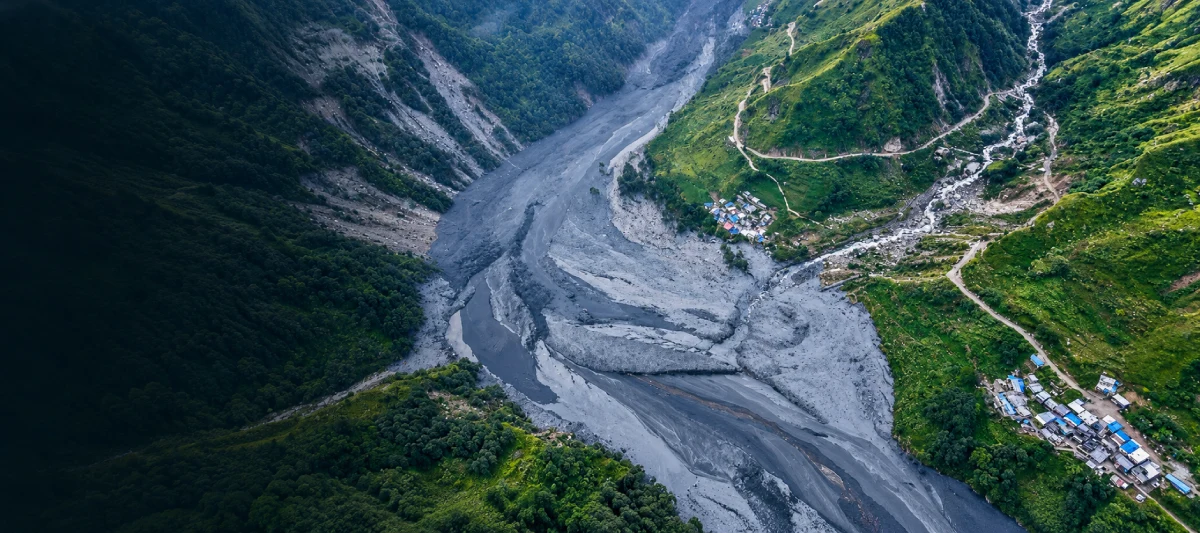
The Pikey Peak Trek takes you through a variety of landscapes, including forest trails, mountain landscapes, stone paths, and traditional villages. Some sections are comfortable, while others involve steep climbs and descents.
The climb towards Pikey Peak is particularly demanding because of the elevation gain. Similarly, descending towards Junbesi and continuing towards Taksindu requires care, especially on uneven or slippery trails.
During spring and autumn, the trails are generally more comfortable for walking. However, rain, snow, or muddy sections can make certain parts of the route more difficult. Wearing comfortable trekking boots with good grip can help you walk more confidently.
3. Daily Walking Hours
The Pikey Peak Trek involves several consecutive days of walking. Depending on the itinerary, you will spend approximately five to six hours a day on the trail, with some days involving longer journeys.
|
Trekking route |
Approximate walking time |
|
Dhap to Jhapre |
6 hours |
|
Jhapre to Pikey Peak and Junbesi |
5 hours |
|
Junbesi to Taksindu |
5 hours |
|
Taksindu to Phaplu |
5 hours |
The walking hours may vary depending on your pace, weather, and trail conditions. The long walking days can be tiring, particularly for beginners who are not used to hiking for several hours. Taking short breaks, eating regular meals, and maintaining a comfortable pace can make these days easier. You do not need to rush to keep up with other trekkers. Walking at a pace that suits your fitness level will help you enjoy the journey.
4. Weather and Temperature
Weather conditions can also affect the difficulty of the Pikey Peak Trek. Spring and autumn generally offer comfortable trekking conditions, with clearer skies and good mountain visibility. However, temperatures can drop considerably at higher elevations, particularly in the early morning and evening.
During winter, snow and freezing temperatures can make the trail more challenging. The monsoon season brings rain, muddy paths, and cloudy conditions, which can make walking less comfortable. Carrying warm clothing, a waterproof jacket, and suitable trekking boots is important. Dressing in layers will help you adjust to changing temperatures throughout the day.
How to Prepare for the Pikey Peak Trek
Preparing for the Pikey Peak Trek does not require an intensive training programme. However, building your stamina and preparing for the mountain conditions can make a noticeable difference.
- Walk regularly: Start walking for 30-60 minutes a day and gradually increase the duration to improve your endurance.
- Practise uphill walking: Include hills or stairs in your routine to prepare for the steep sections of the trail.
- Wear suitable trekking boots: Choose comfortable, well-fitted boots with good grip and break them in before the trek.
- Pack light: Carry only the essentials in your daypack to avoid unnecessary strain while walking.
- Stay hydrated: Drink water regularly throughout the day and eat balanced meals to maintain your energy.
- Prepare for cold weather: Carry warm layers and rain protection, as temperatures and weather conditions can change quickly in the mountains.
You should also allow yourself enough time to rest and adjust to the altitude. Following your trekking guide's advice and avoiding unnecessary rushing can make the journey more comfortable.
Is the Pikey Peak Trek Worth the Effort?
The Pikey Peak Trek offers an opportunity to experience the beauty of the Everest region without committing to a long trekking journey. Although the uphill climbs and daily walking hours require some effort, the peaceful trails, traditional Sherpa villages, Buddhist monasteries, and panoramic Himalayan views make the journey memorable.
With reasonable fitness and proper preparation, most healthy travellers who are comfortable with several hours of walking can take on this trek. You do not need to be an experienced trekker, but you should be prepared for the physical demands of walking at higher elevations.
If you are looking for a relatively short Himalayan adventure that combines mountain scenery, local culture, and moderate trekking, the Pikey Peak Trek offers an opportunity to experience all three.
Ready to experience the breathtaking views of the Himalayas? Join Mountain Delights for the Pikey Peak Trek and explore peaceful trails, traditional Sherpa villages, and stunning mountain views. Contact us today to plan your trek and begin your Himalayan adventure.
.webp)





.webp)