- Meera Peak Overview
- Why Is Mera Peak So Popular?
- What Makes Mera Peak Challenging?
- 1. High Altitude
- 2. Long Trekking Days
- 3. Glacier Crossings
- 4. Cold Weather
- What Technical Skills Will You Learn During Mera Peak Climbing?
- i) Walking with Crampons
- ii) Using an Ice Axe
- iii) Wearing a Climbing Harness
- iv) Travelling on Fixed Ropes
- v) Glacier Travel
- vi) Snow Walking Techniques
- vii) Using Climbing Equipment Properly
- Best Time for the Climb
- Prepare Your Body for the Climb
- Medicines
- Recommended Itinerary
- Conclusion
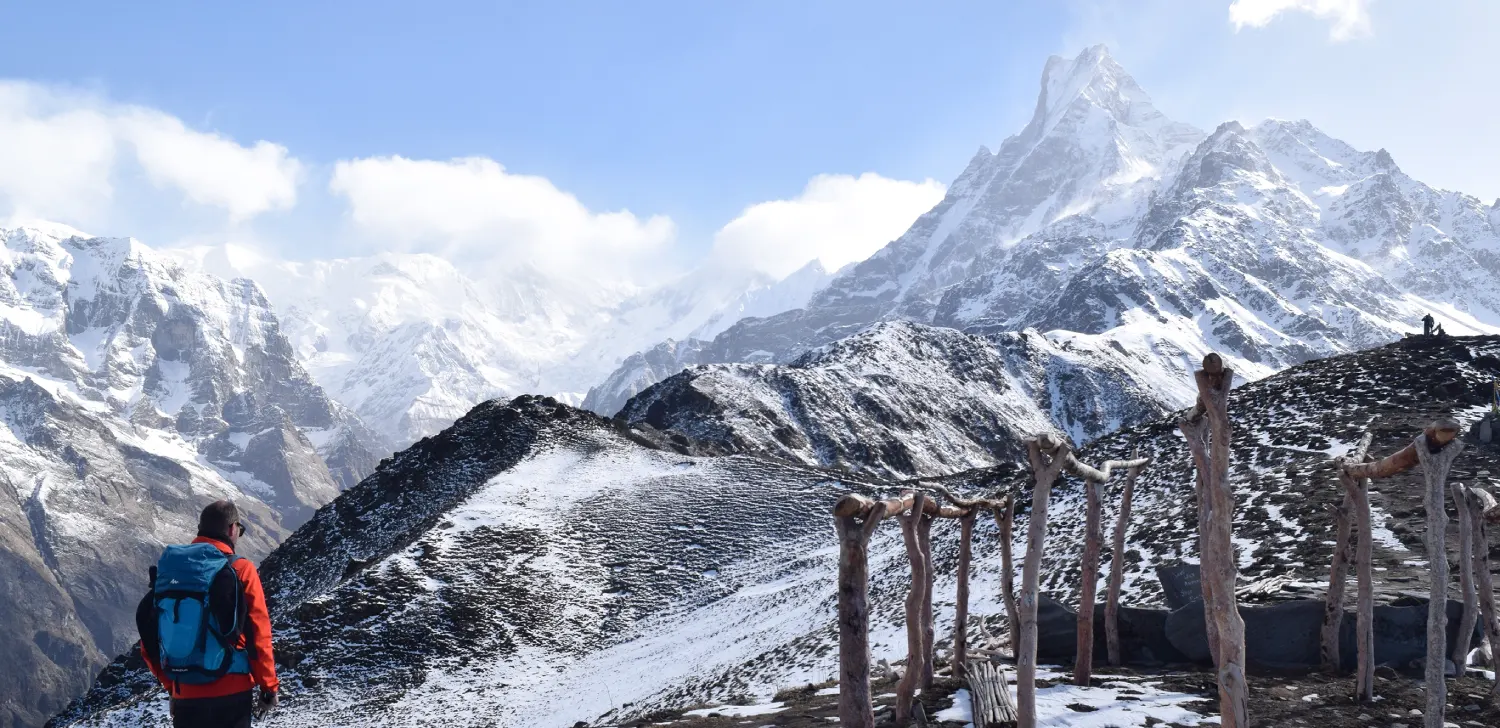
If you are looking to climb a 6,000m peak, Mera Peak may have come across as the most doable one. The peak indeed has the highest success rate compared to other 6000m peaks.
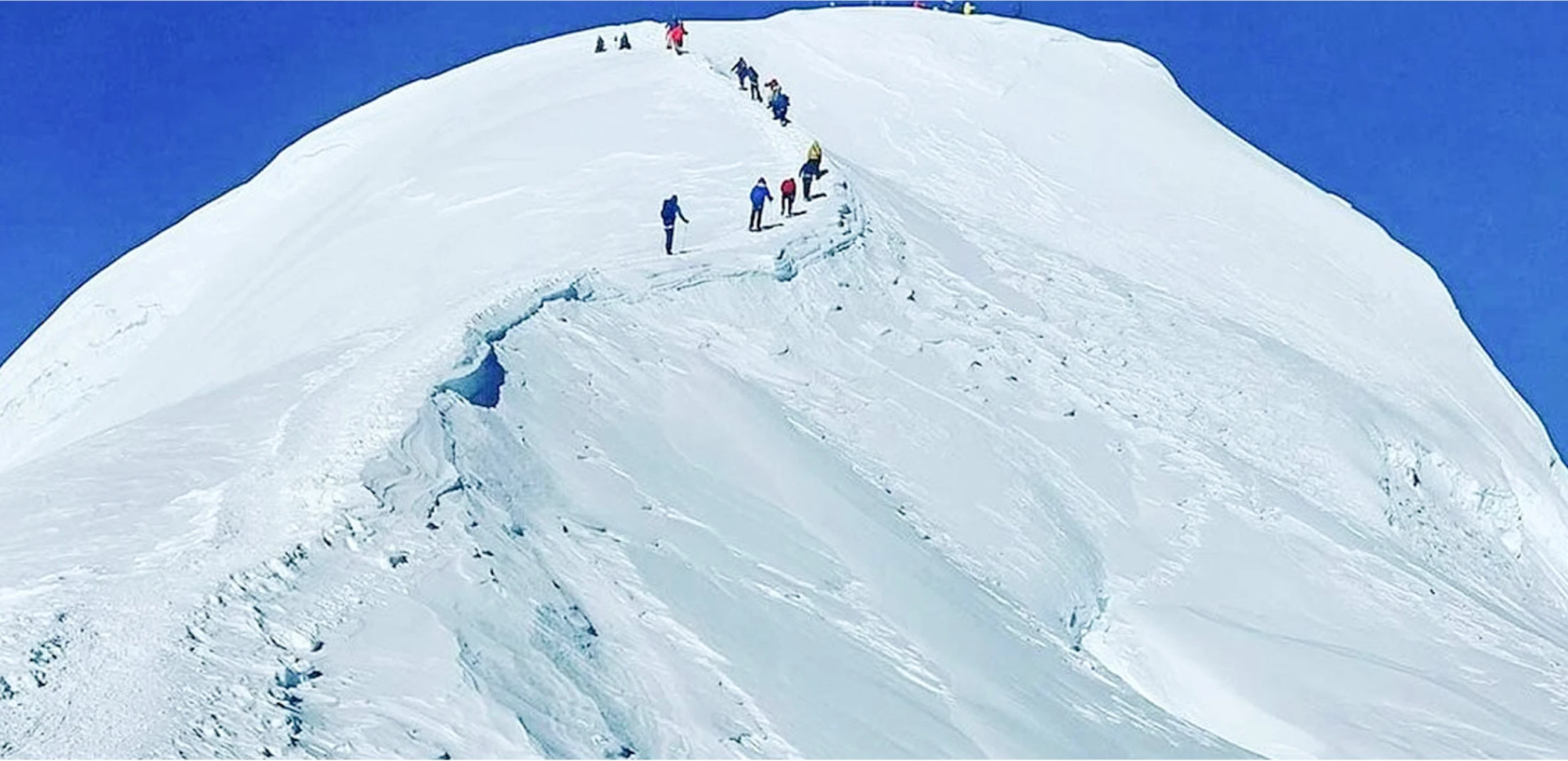
Mera Peak ( 6,476 metres) is classified as a Group B trekking peak by the Nepal Mountaineering Association(NMA). It means the peak requires only basic mountaineering skills and is ideal for entry-level mountaineers. But the climb is physically challenging because of its high altitude and long trekking days.
Want to get a complete picture of it? This guide explores every aspect of Mera Peak's difficulty, helping you understand what to expect and how to prepare for a safe and successful climb.
Meera Peak Overview
|
Feature |
Details |
|
Peak Name |
Mera Peak |
|
Elevation |
6,476m( 21, 247 ft) |
|
Region |
Everest Region ( Hinku Valley), Nepal |
|
Mountain Range |
Mahalangur Himal |
|
Difficulty |
Moderate to Challenging |
|
Technical Level |
Easy to Moderate |
|
Best Time to Climb |
Spring( March- May) and Autumn ( September- November) |
|
Duration |
16-18 days |
|
Maximum Elevation |
6,476 m |
|
Starting& Ending Point |
Lukla |
|
Popular Attractions |
Hinku Valley, Mera High Camp, Mera Glacier, panoramic views of Everest, Lhotse, Makalu, Cho Oyu, Kanchenjunga |
|
Accommodation |
Teahouses and tented camp at high camp |
|
Permits Required |
Mera Peak Climbing Permit, Makalu Barun National Park Entry Permit, and Khumbu Pasang Lhamu Rural Municipality Permit |
|
Transportation |
Flight or Helicopter to Lukla; Private or Shared Jeep |
|
Guide Requirement |
Licensed guide required for climbing expedition |
|
Suitable For |
Experienced Trekkers, first-time mountaineers, adventure seekers, photographers |
Why Is Mera Peak So Popular?
Mera Peak offers an ideal choice for those looking to experience mountaineering for the first time. The trek through Hinku Valley takes you to high-altitude Mera Peak. It follows a gradual route to snow slopes and glaciers. The trail is plain, and there are no steep rocks or ice walls. Climbers only need to learn basic mountaineering techniques such as using crampons, an ice axe, a harness and fixed ropes. Before the summit climb, guides usually provide a short training session to help beginners become familiar with the equipment.
The itinerary also includes acclimatisation days, allowing your body to adjust to high altitude gradually. These factors make Mera Peak a great choice for first-time climbers.
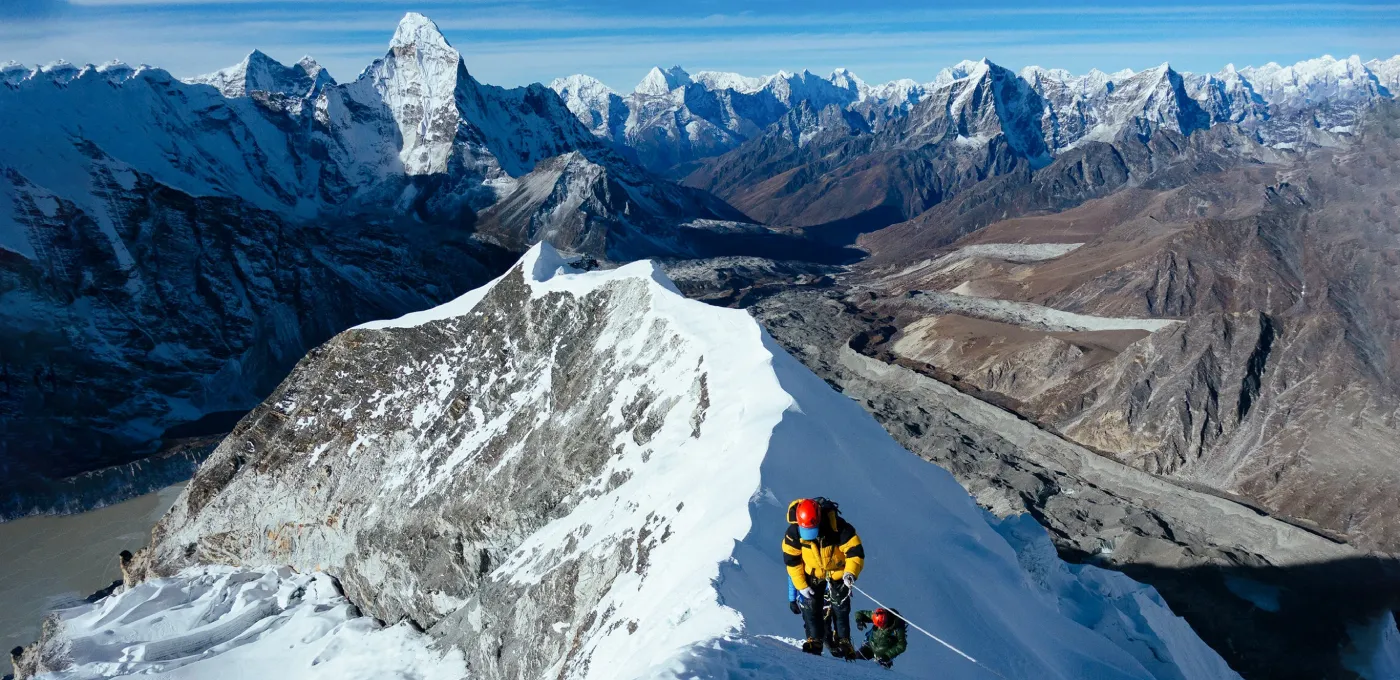
You will trek past remote valleys, forests, traditional Sherpa villages, grasslands and glaciers before reaching the summit. One of the biggest highlights of the climb is the breathtaking view of five of the world’s highest mountains: Everest, Lhotse, Makalu, Cho Oyu, and Kanchenjunga. The climb also introduces you to basic mountaineering skills, making it an excellent stepping stone for high-altitude climbs.
What Makes Mera Peak Challenging?
Mera Peak is considered moderate to challenging. The following factors make the Mera Peak climb challenging.
1. High Altitude
The biggest challenge of Mera Peak is its altitude. At over 6,400 metres, the oxygen level is much lower than at sea level. As you gain elevation, your body has to work harder, making every step feel more tiring.
Some climbers experience symptoms of Acute Mountain Sickness(AMS), including headaches, nausea, dizziness, fatigue, and difficulty sleeping. Properly planned itineraries include rest days to help your body adjust and reduce the risk of altitude-related sickness.
2. Long Trekking Days
Trekking days last for 15/16 days. Most days involve walking for 5 to 7 hours. Summit day can last 10 to 14 hours. Longer trekking days and hours at high altitude can be physically difficult.
3. Glacier Crossings
The Mera Peak climb involves crossing glaciers. Climbers use crampons for grip and use ropes in certain sections for added safety.
Glacier isn’t highly technical, but it may feel unfamiliar at first. Training before the summit makes it quite easy for climbers.
4. Cold Weather
Weather conditions can change quickly in the Himalayas. During the summit push, temperatures often drop well below freezing, especially before sunrise. Strong winds can make it feel even colder, so having proper clothing and equipment is essential.
What Technical Skills Will You Learn During Mera Peak Climbing?
Your guiding team will conduct a training session at Mera High Camp before the summit. You will practice these skills under the supervision of experienced climbing guides. If you are physically fit, willing to learn, and follow your guide’s instructions, these skills can be easily learned.
i) Walking with Crampons
Crampons are metal spikes attached to the bottom of your mountaineering boots. They provide grip on snow and ice, helping prevent slips on the glacier.
ii) Using an Ice Axe
An ice axe is one of the most important pieces of climbing equipment. On Mera Peak, it is mainly used for balance and stability while walking on snowy slopes. Guides will show you how to hold the ice axe correctly, switch hands when changing direction, and use it to support yourself on uneven terrain.
iii) Wearing a Climbing Harness
Before entering glacier sections, you'll wear a climbing harness around your waist and legs. The harness allows you to attach yourself securely to ropes and other safety equipment. Guides will explain how to wear it correctly, adjust the straps for a proper fit, and connect it safely to carabiners and ropes.
iv) Travelling on Fixed Ropes
Some sections near the summit may have fixed ropes installed to provide extra security. You'll learn how to clip into these ropes using a safety carabiner or ascender and move along them while staying attached at all times. Guides will teach you when to clip and unclip, how to maintain balance, and how to move safely without interfering with other climbers on the rope.
v) Glacier Travel
A large part of the summit route crosses the Mera Glacier. Although the glacier is generally gradual, it contains hidden crevasses covered by snow. To reduce the risk, climbers travel together as a rope team. You'll learn how to maintain the correct distance from the person in front of you, keep the rope at the right tension, and move together as a group. This teamwork helps ensure that everyone stays safe while crossing the glacier.
vi) Snow Walking Techniques
Walking on snow is different from hiking on rocky trails. Guides will teach you how to place your feet firmly, maintain a steady rhythm, and conserve energy during the climb. You'll also learn the importance of pacing yourself at high altitude, where moving too quickly can lead to exhaustion.
vii) Using Climbing Equipment Properly
Besides crampons and an ice axe, you'll become familiar with other essential climbing gear such as helmets, gaiters, trekking poles, carabiners, and mountaineering boots. Guides will explain the purpose of each item, how to wear it correctly, and when it should be used during the climb.
Best Time for the Climb
The best time to climb Mera Peak is during spring (March to May) and autumn (September to November). These seasons offer stable weather, clear skies, moderate temperatures, and excellent visibility, making the climb safer and more enjoyable. Spring also brings blooming rhododendron forests, while autumn offers crisp mountain views after the monsoon.
Winter (December to February) is much colder, with heavy snowfall and strong winds, making the climb more challenging. The monsoon season (June to August) is the least favourable due to frequent rain, slippery trails, poor visibility, and possible flight delays to Lukla.
Prepare Your Body for the Climb
-
Acclimatise properly: Choose an itinerary with acclimatisation days to help your body adjust to the altitude.
-
Build Your Fitness Before the Climb: Focus on cardio exercises such as hiking, running, cycling, or swimming for at least 8–12 weeks before your trip.
-
Stay hydrated: Drink 3- 4 litres of water daily to avoid dehydration.
-
Climb slowly: Maintain a steady pace and avoid rushing.
-
Eat well: Consume carbohydrate-rich meals to keep your energy levels up.
-
Avoid alcohol and smoking: They can slow your body's ability to adapt to high altitude.
-
Listen to your body: If you experience symptoms like headache, nausea, or dizziness, inform your guide immediately and don't continue climbing until you feel better.
-
Wear proper eye protection: Bright sunlight reflected from snow can harm your eyes. Always wear UV-protection sunglasses or glacier glasses.
-
Layer your clothing: Wear multiple layers so you can easily add or remove clothing as temperatures change throughout the day. This helps keep you warm, dry, and comfortable in the unpredictable mountain weather.
-
Invest in quality gear: Well-fitting boots, insulated clothing, gloves, sunglasses, and climbing equipment can make your Mera Peak climb safer and more enjoyable.
Medicines
Carrying a basic medical kit is an important part of preparing for Mera Peak. While your guide will usually carry a group first-aid kit, it is always a good idea to bring your own personal medications with doctor consultation.
Some commonly used medicines include:
-
Acetazolamide (Diamox): Often used to help prevent or reduce the symptoms of altitude sickness. It should only be taken under the advice of a healthcare professional.
-
Pain relievers: Medicines such as paracetamol or ibuprofen can help relieve headaches, muscle aches, or minor pain during the trek.
-
Medication for stomach issues: Anti-diarrhoeal medicine and oral rehydration salts (ORS) can be useful if you experience digestive problems.
-
Cold and cough medicine: Useful for managing minor cold symptoms in the cold mountain environment.
-
Anti-nausea medication: May help if you experience nausea caused by altitude or motion sickness.
-
Personal prescription medicines: Bring enough of any regular medication you take, along with a copy of your prescription if needed.
-
First-aid essentials: Adhesive bandages, blister plasters, antiseptic wipes, gauze, medical tape, and any other basic first-aid supplies.
Recommended Itinerary
The itinerary is beginner-friendly with sufficient assimilation days.
|
Day |
Route |
Time Required |
|
Day 1 |
Fly Kathmandu - Lukla, Trek to Paiya |
3 to 4 hrs trek |
|
Day 2 |
Paiya - Panggom |
5 to 6 hrs |
|
Day 3 |
Panggom - Ningsow |
4 to 5 hrs |
|
Day 4 |
Ningsow - Chhatra Khola |
6 to 7 hrs |
|
Day 5 |
Chhatra Khola - Kothe |
5 to 6 hrs |
|
Day 6 |
Kothe - Thangnak |
3 to 4 hrs |
|
Day 7 |
Thangnak - Khare |
3 to 4 hrs |
|
Day 8 |
Acclimatisation at Khare (training hike) |
3 to 4 hrs |
|
Day 9 |
Khare - Mera High Camp |
5 to 6 hrs |
|
Day 10 |
Acclimatisation / Weather Contingency Day |
Rest or short hike |
|
Day 11 |
Mera High Camp - Summit (6,476 m) - Khare |
10 to 14 hrs |
|
Day 12 |
Khare - Kothe |
4 to 5 hrs |
|
Day 13 |
Kothe - Thuli Kharka |
5 to 6 hrs |
|
Day 14 |
Thuli Kharka - Lukla |
6 to 7 hrs |
|
DAY 15 |
Fly Lukla - Kathmandu |
Conclusion
Mera Peak Climbing can offer you the best Himalayan views, an easier mountaineering experience, and good learning. If you are ready for your 6000m climb, Mera Climb can be the best one for you.
Ready to conquer Nepal's highest trekking peak? Book your Mera Peak climbing adventure with Mountain Delights and let us guide you every step of the way to an unforgettable Himalayan summit.



.webp)